30 Weakest Currencies In The World Ranked in 2026

 Author

 Editor
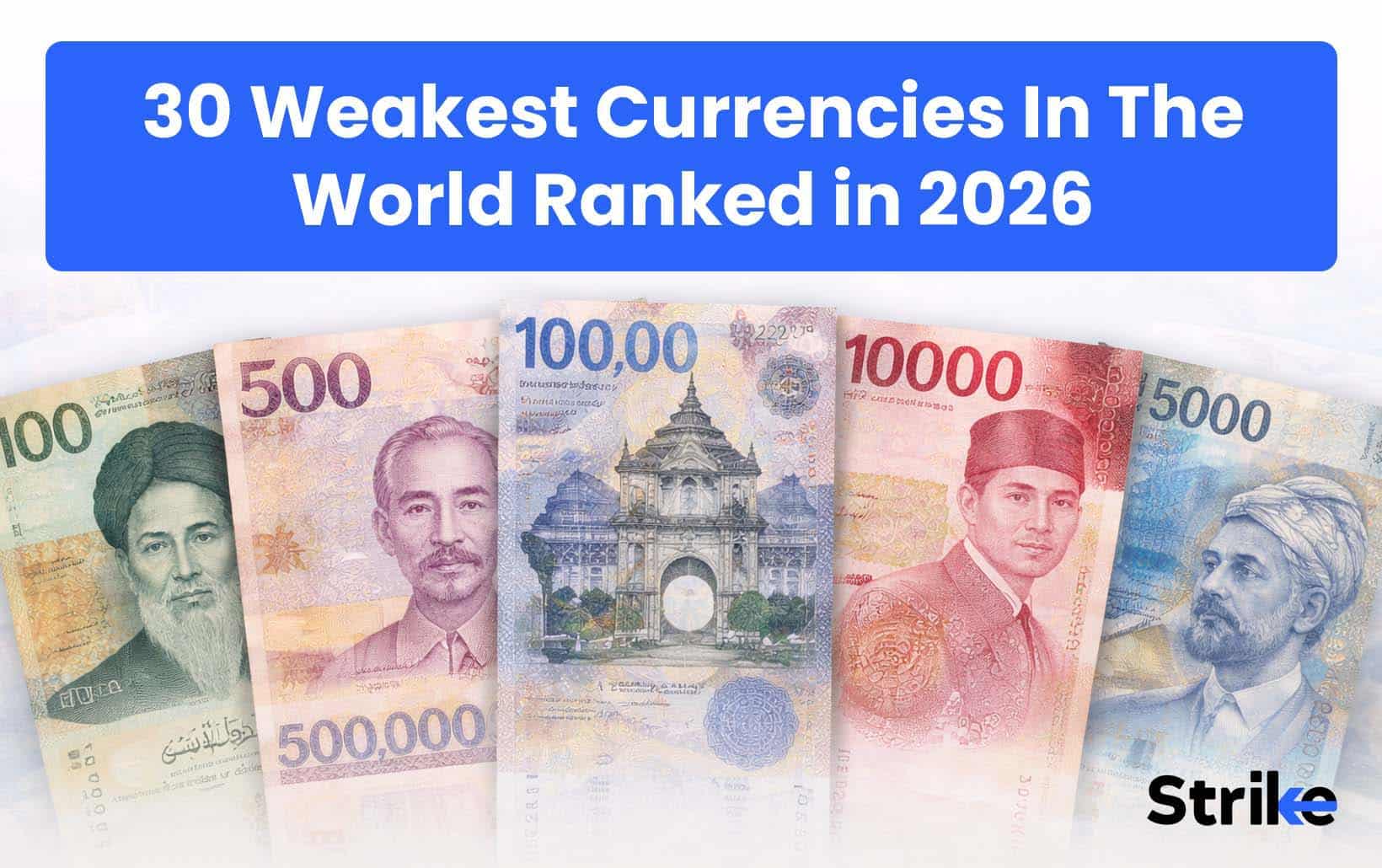
Weakest (lowest valued) currencies often reveal deeper economic stress points such as inflation pressure, debt imbalance, trade deficits, or loss of investor confidence. Weakest currency also reflects how political instability, mismanagement, or overprinting of money can erode a currency value over time.
Traders, economists, and policymakers often watch these currencies, because they reflect real-time economic fragility and capital flow risk. Studying them helps understand currency devaluation cycles, emerging market vulnerabilities, and reaction of global capital during periods of uncertainty.
What Does “Weakest Currency” Mean?
The weak currency means the national currency which has very low value when exchanged with the US Dollar, limited purchasing power, or affected with high inflation, repeated devaluation, or economic stress. On the other hand, depreciating currencies are currencies that continually lose their value against major currencies due to inflation, trade deficits, or loss of investor confidence.
A weak currency does not always become due to weak economic or political crises. Sometimes currencies are designed with low face value and can remain relatively stable, such as Vietnamese Dong (VND). It is important to note that the currency can be weak but stable, or strong yet depreciating.
List of 10 Weakest Currencies in the World
The list of top 10 weakest currencies in the world is mentioned below in the table.
| Position | Currency (Code) | Approx. Exchange Rate (per 1 USD) |
|---|---|---|
| 1 | Iranian Rial (IRR) | ~1,000,000+ IRR / USD* |
| 2 | Lebanese Pound (LBP) | ~89,500 LBP / USD |
| 3 | Vietnamese Dong (VND) | ~25,000–26,000 VND / USD |
| 4 | Laotian Kip (LAK) | ~21,500 LAK / USD |
| 5 | Indonesian Rupiah (IDR) | ~15,400–16,000 IDR / USD |
| 6 | Uzbekistani Som (UZS) | ~12,700–12,800 UZS / USD |
| 7 | Syrian Pound (SYP) | ~13,000 SYP / USD |
| 8 | Guinean Franc (GNF) | ~8,500–8,600 GNF / USD |
| 9 | Paraguayan Guarani (PYG) | ~7,400–7,800 PYG / USD |
| 10 | Malagasy Ariary (MGA) | ~4,600 MGA / USD |
The Iranian Rial’s exchange rates are very volatile and vary significantly between official and open rates. Some sources list it over 1 million per USD in late 2025.
What is the Ranking of Weakest Currencies Globally?
The ranking of weakest currencies globally based on their exchange rates with USD are mentioned below.
1. Iranian Rial (IRR)
The Iranian Rial (IRR) is the official currency of Iran which is issued and regulated by the Central Bank of Iran. The Iranian Rial (IRR) was introduced in 1932 after replacing the Iranian Qiran during the modernization of Iran’s financial system.
Initially the Iranian Rial (IRR) was relatively stable due to backing by oil. However, after the 1979 Iranian Revolution, Iranian Rial (IRR) lost its value due to prolonged economic sanctions, inflationary policies, and restricted global trade.
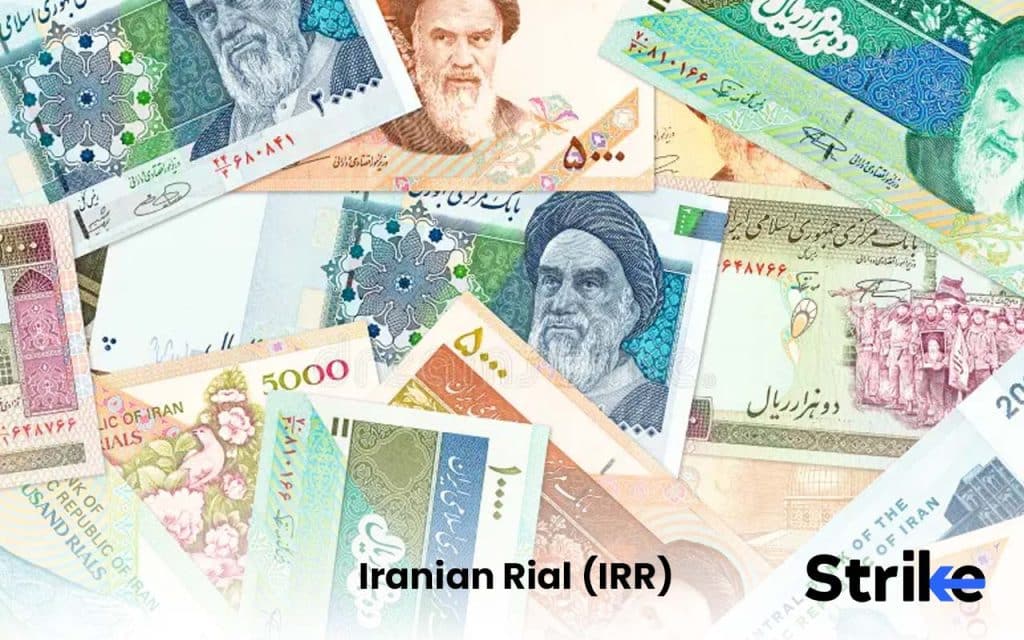
| Iranian Rial (IRR) Summary Table | |
| Currency Name | Iranian Rial |
| Currency Code | IRR |
| Symbol | ﷼ |
| Value Against USD (Approx) | 1 USD ≈ 420,000 – 600,000 IRR* |
| Value Against INR (Approx) | 1 INR ≈ 5,000 – 7,000 IRR* |
Why the Iranian Rial Is So Weak
- International economic sanctions that restrict trade, banking access, and foreign investment
- Chronic high inflation, which continuously reduces the rial’s purchasing power
- Limited access to global financial systems, weakening foreign currency inflows
- Loss of investor and public confidence due to prolonged economic and political uncertainty
To make the transactions easier, Iranians usually use Toman in their everyday life where 1 Toman = 10,000 rials.
2. Vietnamese Dong (VND)
The Vietnamese Dong (VND) is the official currency of Vietnam which is issued and regulated by the State Bank of Vietnam. The Vietnamese Dong (VND) was first introduced in 1978, following the reunion of North and South Vietnam after the Vietnam War. The Government introduced a dong to make one national currency by replacing different regional currencies.
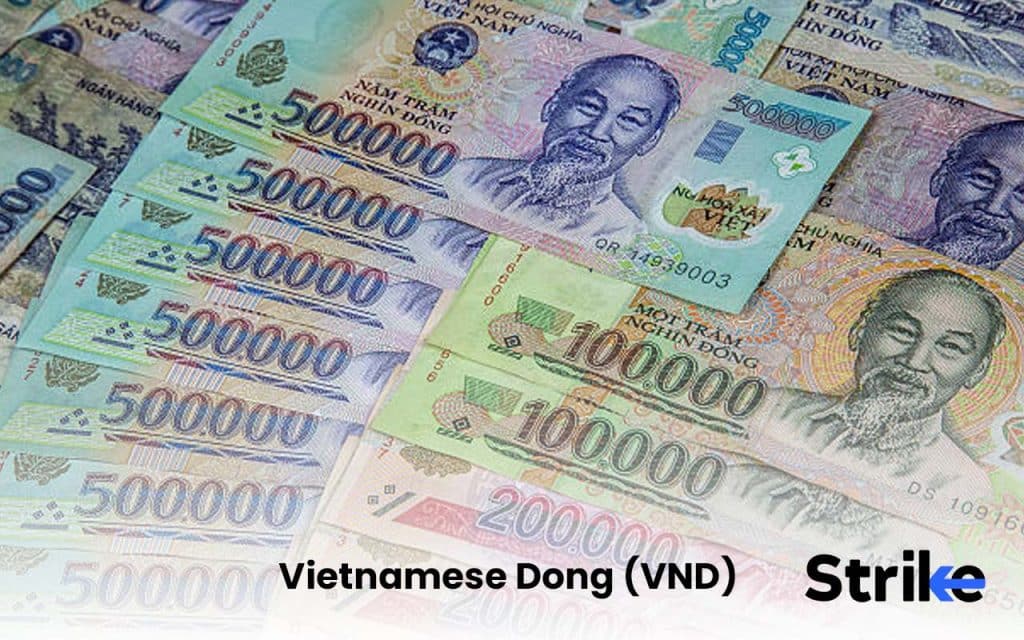
| Vietnamese Dong (VND) Summary Table | |
|---|---|
| Currency Name | Vietnamese Dong |
| Currency Code | VND |
| Symbol | ₫ |
| Value Against USD (Approx) | 1 USD ≈ 24,000 – 25,000 VND |
| Value Against INR (Approx) | 1 INR ≈ 290 – 310 VND |
Why the Vietnamese Dong Is So Weak
- High inflation in the past, which reduced its value
- Government keeps the currency weak to support exports
- Low purchasing power, leading to large numbers in prices
- Controlled exchange rate, limiting strong appreciation
In Vietnam, it is common to see thousands of dong or millions of dong written as the price of even the daily object. The dong may appear weak on paper but the Vietnamese economy is performing well and this is a clear indication that a low value currency does not necessarily equate to a poor economy.
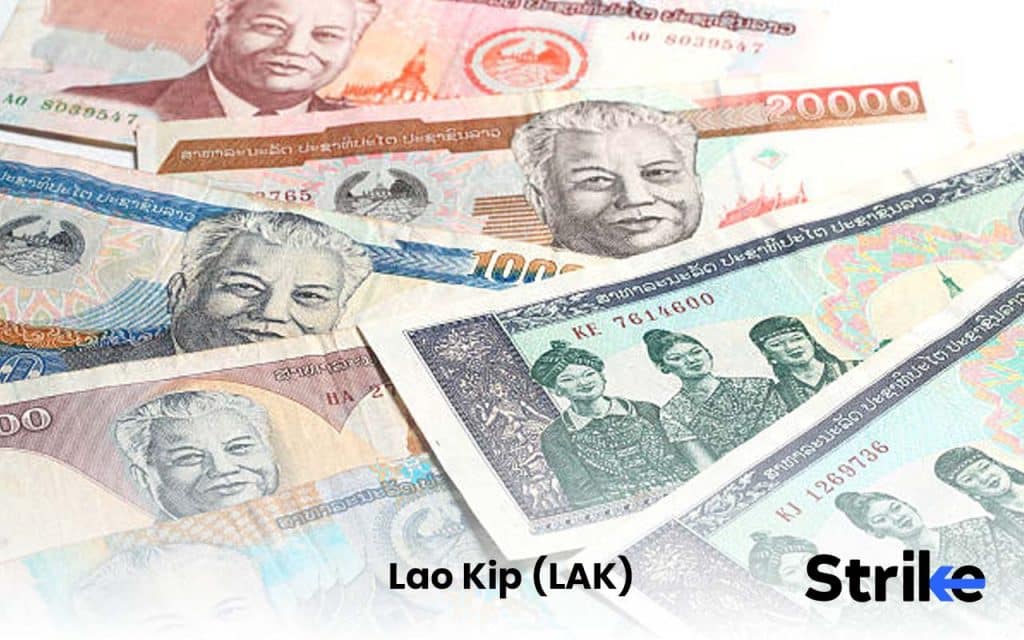
3. Lao Kip (LAK)
The Lao Kip (LAK) is the official currency of Laos which is issued and regulated by the Bank of the Lao P.D.R. The Lao Kip (LAK) was introduced in 1952, after Laos gained independence and replaced the French Indochinese Piastre.
| Lao Kip (LAK) Summary Table | |
|---|---|
| Currency Name | Lao Kip |
| Currency Code | LAK |
| Symbol | ₭ |
| Value Against USD (Approx) | 1 USD ≈ 20,000 – 21,500 LAK |
| Value Against INR (Approx) | 1 INR ≈ 240 – 260 LAK |
Why the Lao Kip Is So Weak
- Small and developing economy with limited exports
- High inflation, reducing purchasing power
- Heavy dependence on imports, increasing demand for foreign currency
- Low foreign exchange reserves, limiting currency stability
Lao kip is rarely used outside of Laos, also most tourist destinations and businesses accept US dollar or Thai bhat, not kip. However, kip is still useful to daily life particularly in the local trade in the country.
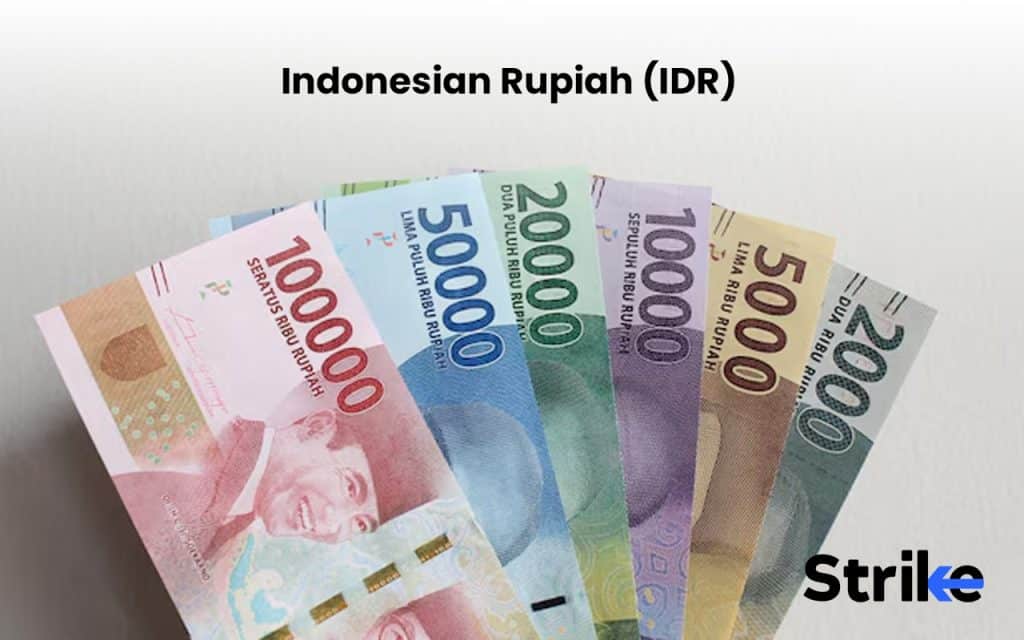
4. Indonesian Rupiah (IDR)
The Indonesian Rupiah (IDR) is the official currency of Indonesia, which is issued and regulated by the Bank of Indonesia. The Indonesian Rupiah was introduced in 1946 after Indonesia declared independence from the Dutch to replace the colonial currencies. The IDR lost most of its significant value during the 1997-98 Financial Crisis.
| Indonesian Rupiah (IDR) Summary Table | |
|---|---|
| Currency Name | Indonesian Rupiah |
| Currency Code | IDR |
| Symbol | Rp |
| Value Against USD (Approx) | 1 USD ≈ 15,500 – 16,500 IDR |
| Value Against INR (Approx) | 1 INR ≈ 185 – 200 IDR |
Why the Indonesian Rupiah Is So Weak
- Impact of past financial crises, especially the 1997–98 crisis
- Long-term inflation, reducing currency value
- Trade and current account pressures, increasing demand for foreign currency
- Sensitivity to global capital flows, causing volatility
The idea of removing three zeros out of the rupiah to simplify the transactions was planned but the idea was dropped by Indonesia. In the modern days, prices reach thousands of rupiah, making it one of the highest denominations of the money that is actively used in our life.
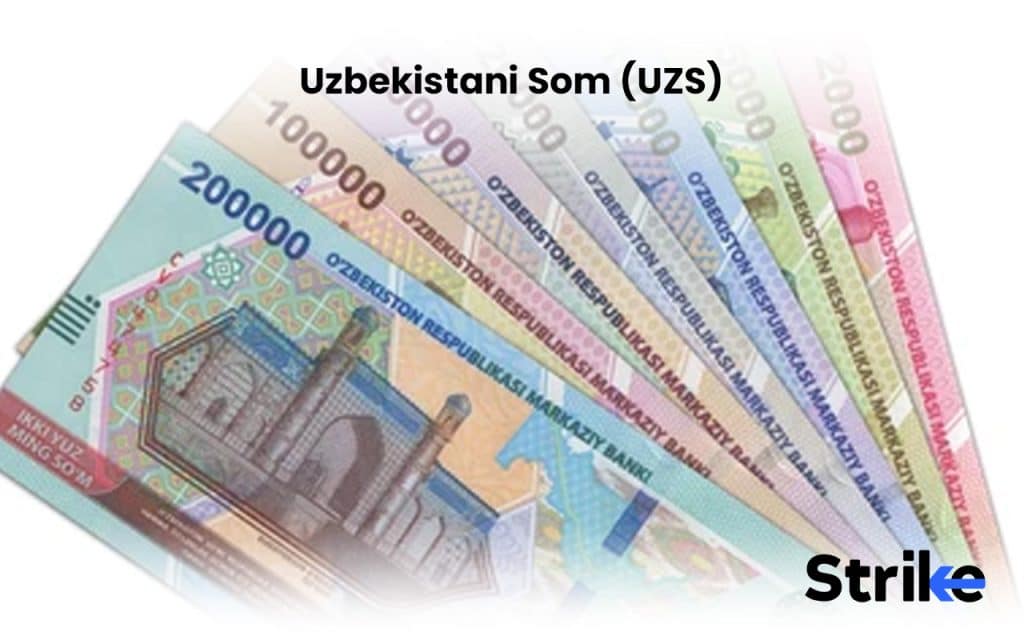
5. Uzbekistani Som (UZS)
The Uzbekistani Som (UZS) is the currency in Uzbekistan, issued and regulated by the central bank of Uzbekistan. It was introduced in 1994 when the country gained its independence out of the Soviet Union. The som was created as a replacement of the Russian ruble as it gave Uzbekistan authority in monetary policies.
| Uzbekistani Som (UZS) Summary Table | |
|---|---|
| Currency Name | Uzbekistani Som |
| Currency Code | UZS |
| Symbol | soʻm |
| Value Against USD (Approx) | 1 USD ≈ 12,000 – 13,000 UZS |
| Value Against INR (Approx) | 1 INR ≈ 145 – 160 UZS |
Why the Uzbekistani Som Is So Weak
- High inflation in the early years after independence
- Government-controlled exchange rates in the past
- Limited foreign investment, reducing currency demand
- Dependence on commodity exports, causing instability
For many years, Uzbekistan was very strict on currency, making it hard to exchange some of the free currency over some years. Post-2017 reforms were more open to conversion and this increased transparency although the som still remains as one of the weaker face value currencies.
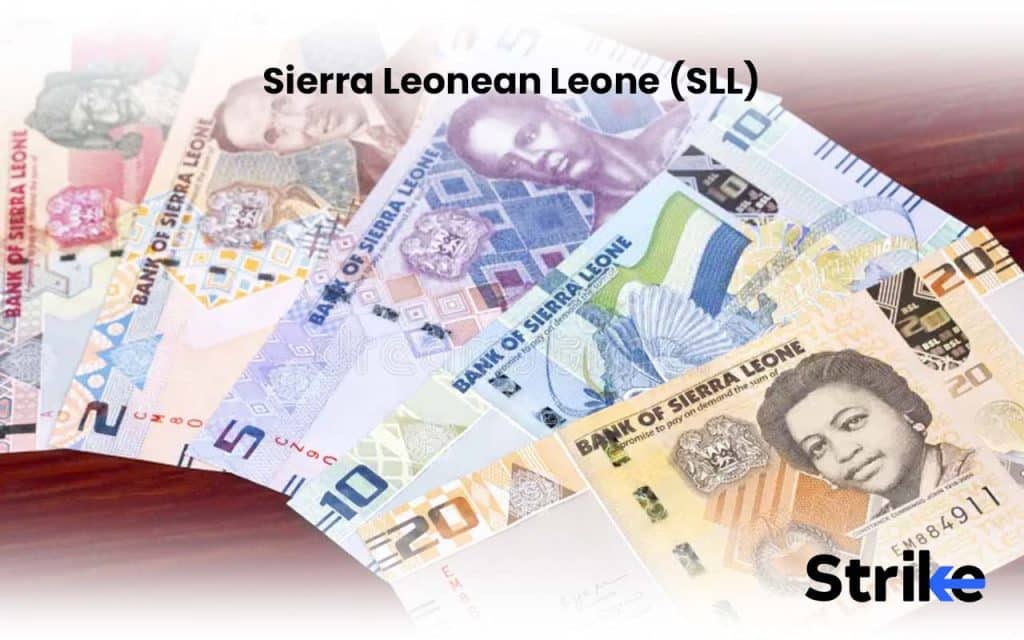
6. Sierra Leonean Leone (SLL)
The Sierra Leonean Leone (SLL) is the currency of Sierra Leone, issued and regulated by the Bank of Sierra Leone. It was introduced in 1964 after the country gained independence from British rule and replaced the British West African pound.
| Sierra Leonean Leone (SLL) Summary Table | |
|---|---|
| Currency Name | Sierra Leonean Leone |
| Currency Code | SLL |
| Symbol | Le |
| Value Against USD (Approx) | 1 USD ≈ 20,000 – 23,000 SLL* |
| Value Against INR (Approx) | 1 INR ≈ 240 – 280 SLL* |
Why the Sierra Leonean Leone Is So Weak
- Long periods of civil conflict, damaging the economy
- High inflation, reducing purchasing power
- Low industrial and export base, limiting foreign income
- Heavy dependence on imports, increasing demand for foreign currency
In 2022, Sierra Leone removed three zeros in the currency in order to simplify transactions. Leone is weak, after the redenomination, even when the number of zeroes are altered, indicating that redefinition of the number is not the solution to greater economic issues.
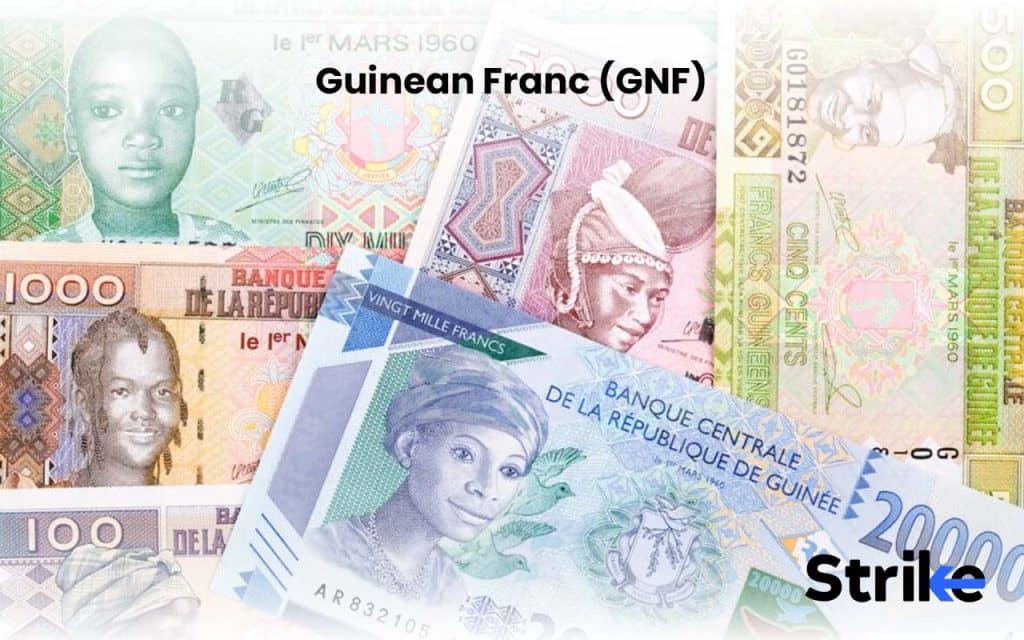
7. Guinean Franc (GNF)
The Guinean Franc (GNF) is the currency of Guinea, issued and regulated by the Central Bank of the Republic of Guinea. It was launched in 1960 after Guinea gained independence from France, replacing the CFA franc with GNF under their own monetary system.
| Guinean Franc (GNF) Summary Table | |
|---|---|
| Currency Name | Guinean Franc |
| Currency Code | GNF |
| Symbol | FG |
| Value Against USD (Approx) | 1 USD ≈ 8,500 – 9,000 GNF |
| Value Against INR (Approx) | 1 INR ≈ 100 – 110 GNF |
Why the Guinean Franc Is So Weak
- High inflation over many years, reducing currency value
- Political and economic instability, lowering investor confidence
- Low industrial development, limiting exports
- Dependence on commodity exports, causing currency volatility
The Guinean franc is the non-convertible currency in Guinea, which is barely traded in the international market. Despite being blessed with so many natural resources like bauxite, the currency is weak since there is lack of industrialization and economic diversification.
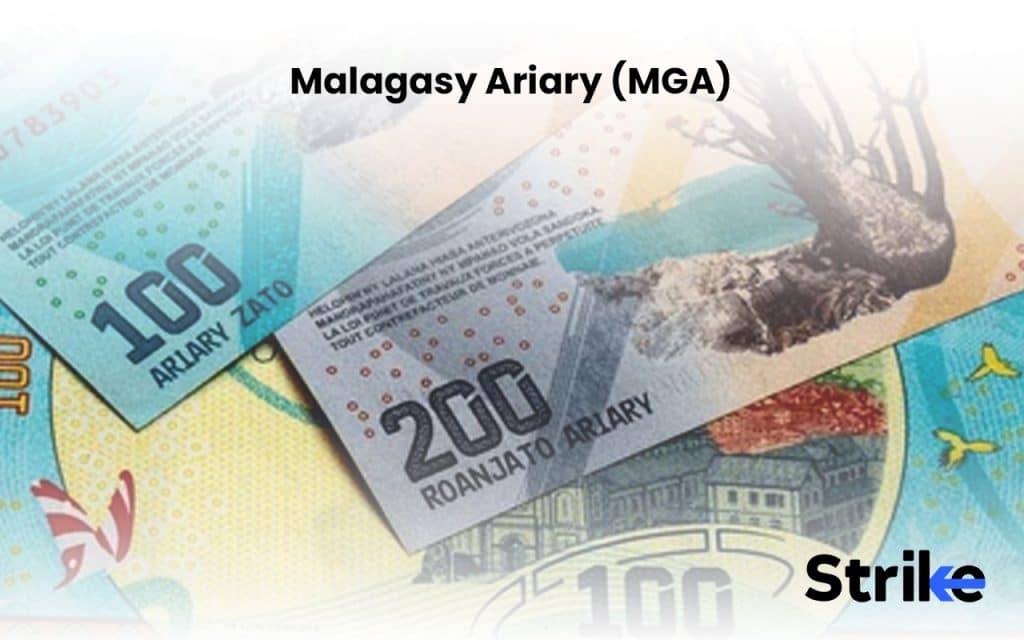
8. Malagasy Ariary (MGA)
The Malagasy Ariary (MGA) is the official currency of Madagascar, issued by the Central Bank of Madagascar. It was introduced in 2005 during the currency reform of Madagascar to replace the Malagasy franc. The MGA was introduced to simplify the monetary system and for better local trading practices.
| Malagasy Ariary (MGA) Summary Table | |
|---|---|
| Currency Name | Malagasy Ariary |
| Currency Code | MGA |
| Symbol | Ar |
| Value Against USD (Approx) | 1 USD ≈ 4,500 – 4,800 MGA |
| Value Against INR (Approx) | 1 INR ≈ 55 – 60 MGA |
Why the Malagasy Ariary Is So Weak
- Political instability, affecting economic growth
- High inflation, reducing purchasing power
- Low industrial development, limiting exports
- Heavy dependence on imports, increasing foreign currency demand
Madagascar is one of the few states in the world, which has no currency in the form of decimals, and 1 ariary equals 5 iraimbilanja. This special system, most of the daily transactions are made in the whole ariary as a result of inflation.
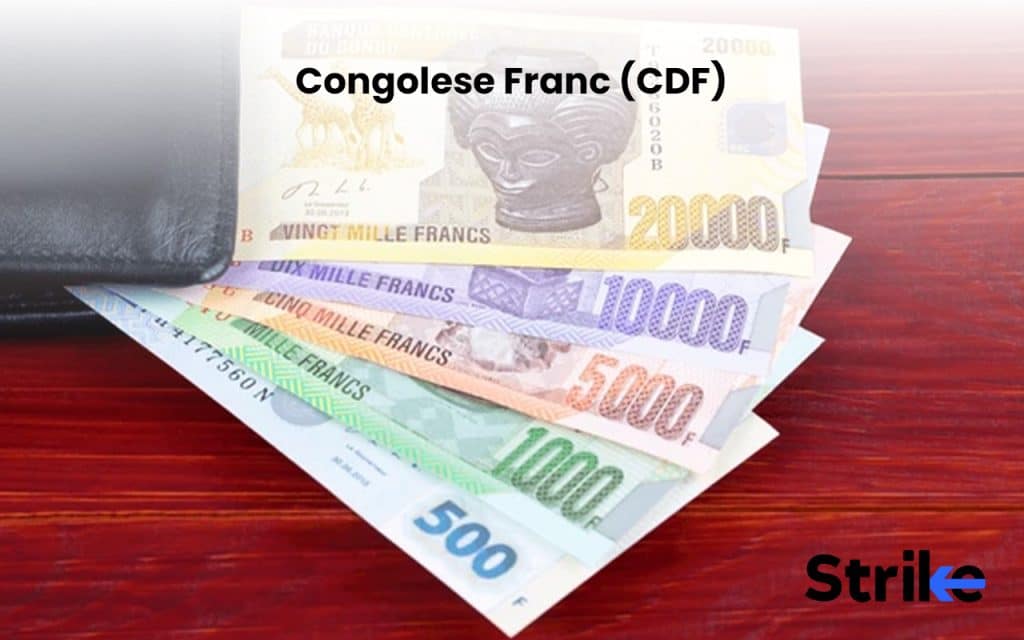
9. Congolese Franc (CDF)
The Congolese Franc (CDF) is the currency of the Democratic Republic of the Congo (DRC), issued by the Central Bank of the Congo. It was introduced in 1998 and replaced New Zaire after years of economic and political instability. The change was made to restore the confidence in the monetary system.
| Congolese Franc (CDF) Summary Table | |
|---|---|
| Currency Name | Congolese Franc |
| Currency Code | CDF |
| Symbol | FC |
| Value Against USD (Approx) | 1 USD ≈ 2,700 – 2,900 CDF |
| Value Against INR (Approx) | 1 INR ≈ 32 – 35 CDF |
Why the Congolese Franc Is So Weak
- Long-term political instability and conflict
- High inflation, reducing purchasing power
- Weak financial system, limiting currency confidence
- Heavy reliance on raw material exports, causing volatility
Though the official currency is the Congolese franc, the US dollars are widely used in the country especially in large towns and large transactions. This semi-dollarization means that there is not much confidence in the local currency.
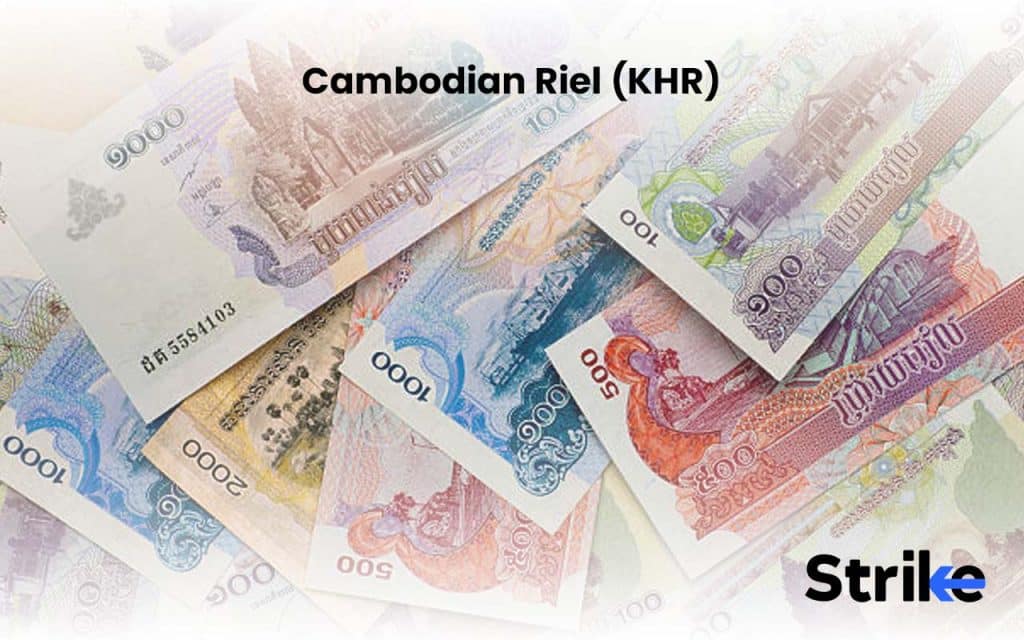
10. Cambodian Riel (KHR)
The Cambodian Riel (KHR) is the currency of Cambodia, issued and regulated by the National Bank of Cambodia. Cambodian Riel (KHR) was introduced in 1953, but abolished completely during the Khmer Rouge regime (1975–1980). The riel was reintroduced in 1980 to rebuild the monetary system after the fall of the regime.
| Cambodian Riel (KHR) Summary Table | |
|---|---|
| Currency Name | Cambodian Riel |
| Currency Code | KHR |
| Symbol | ៛ |
| Value Against USD (Approx) | 1 USD ≈ 4,000 – 4,200 KHR |
| Value Against INR (Approx) | 1 INR ≈ 48 – 52 KHR |
Why the Cambodian Riel Is So Weak
- High use of US dollars, reducing demand for the riel
- Past political conflict, damaging economic stability
- Low confidence in local currency, limiting adoption
- Import-dependent economy, increasing foreign currency demand
Cambodia is among the most dollarized economies with a majority of the salaries, savings and other major purchases being conducted using the US dollar. Small transactions are primarily done using the riel, and this has enabled the country to have two currencies coexisting.
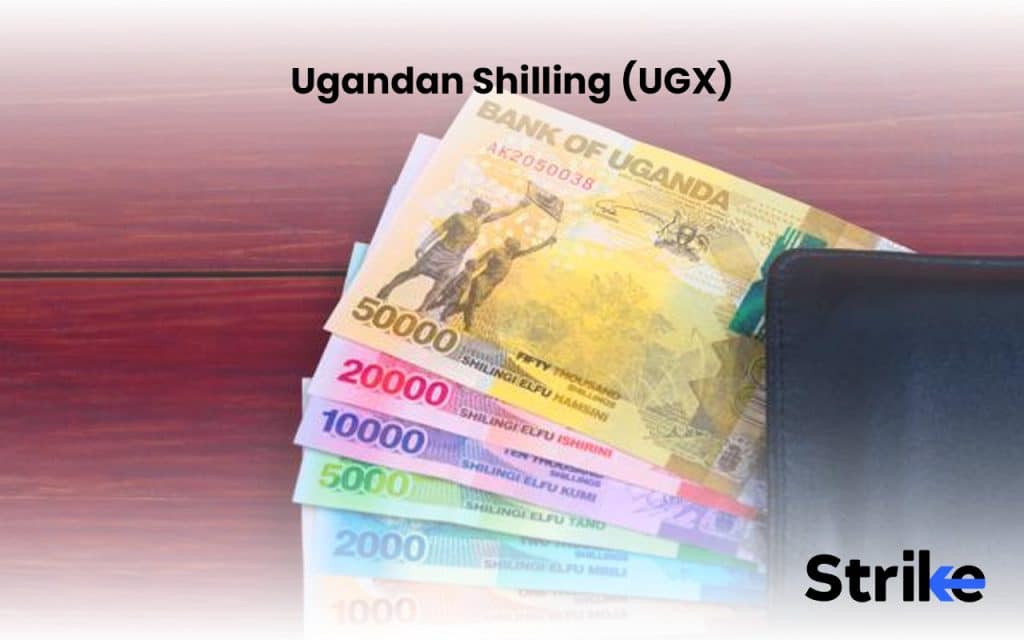
11. Ugandan Shilling (UGX)
The Ugandan Shilling (UGX) is the currency of Uganda which is issued and regulated by the Bank of Uganda. Ugandan Shilling (UGX) was first introduced in 1966 after the breakup of the East African Currency Board system, replacing the East Africa Shilling.
The currency was reintroduced in 1987 after the economic instability and high inflation, but the shilling remains weak compared to major global currencies.
| Ugandan Shilling (UGX) Summary Table | |
|---|---|
| Currency Name | Ugandan Shilling |
| Currency Code | UGX |
| Symbol | USh |
| Value Against USD (Approx) | 1 USD ≈ 3,700 – 3,900 UGX |
| Value Against INR (Approx) | 1 INR ≈ 44 – 47 UGX |
Why the Ugandan Shilling Is So Weak
- High inflation in the past, reducing currency value
- Trade deficit, increasing demand for foreign currencies
- Dependence on agriculture, exposing the economy to risks
- Limited industrial development, slowing growth
Uganda had very high denominations of the banknote because of the high inflation, economic reforms assisted in stabilizing the currency. The prices remain as high as thousands of shillings even today, and this is what has contributed to the day to day transactions, which have been affected by inflation.
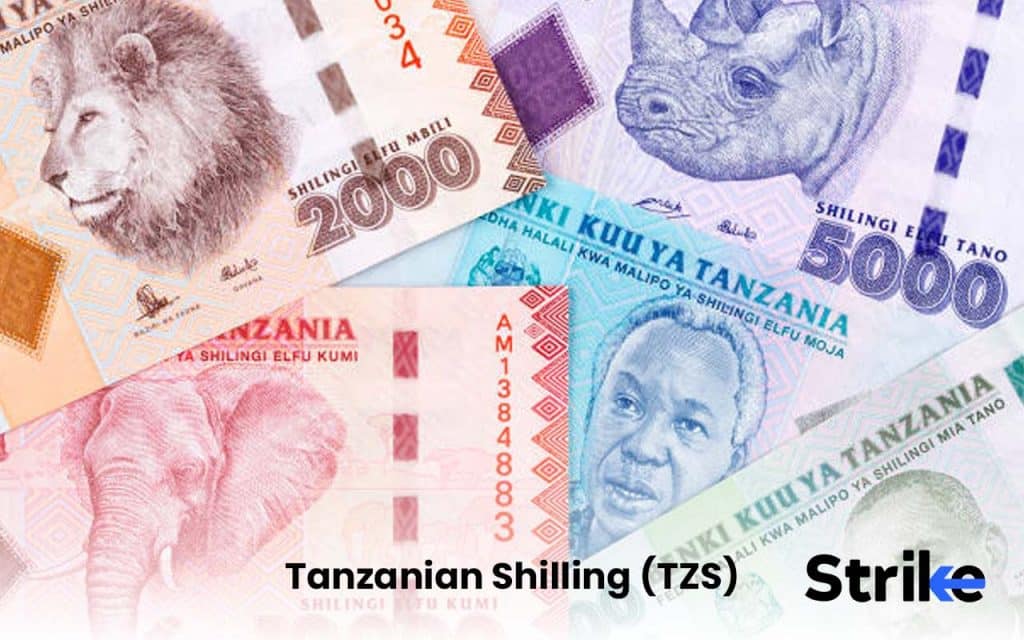
12. Tanzanian Shilling (TZS)
The Tanzanian Shilling (TZS) is the official currency of Tanzania, issued and regulated by the Bank of Tanzania. It was introduced in 1966 after the division of the East African Currency Board into East African Shilling. The new currency was developed in such a way that it allowed Tanzania to run its own monetary policy.
| Tanzanian Shilling (TZS) Summary Table | |
|---|---|
| Currency Name | Tanzanian Shilling |
| Currency Code | TZS |
| Symbol | TSh |
| Value Against USD (Approx) | 1 USD ≈ 2,500 – 2,700 TZS |
| Value Against INR (Approx) | 1 INR ≈ 30 – 33 TZS |
Why the Tanzanian Shilling Is So Weak
- Long-term inflation, reducing purchasing power
- Import-dependent economy, increasing demand for foreign currency
- Limited industrial and manufacturing base, slowing growth
- External debt pressures, affecting currency stability
The prices of daily products in Tanzania tend to go into thousands of shillings, even though the actual cost is modest. Although the shilling has a weak value, it is steady enough to be used in day-to-day activities and has a significant place in the local trade.
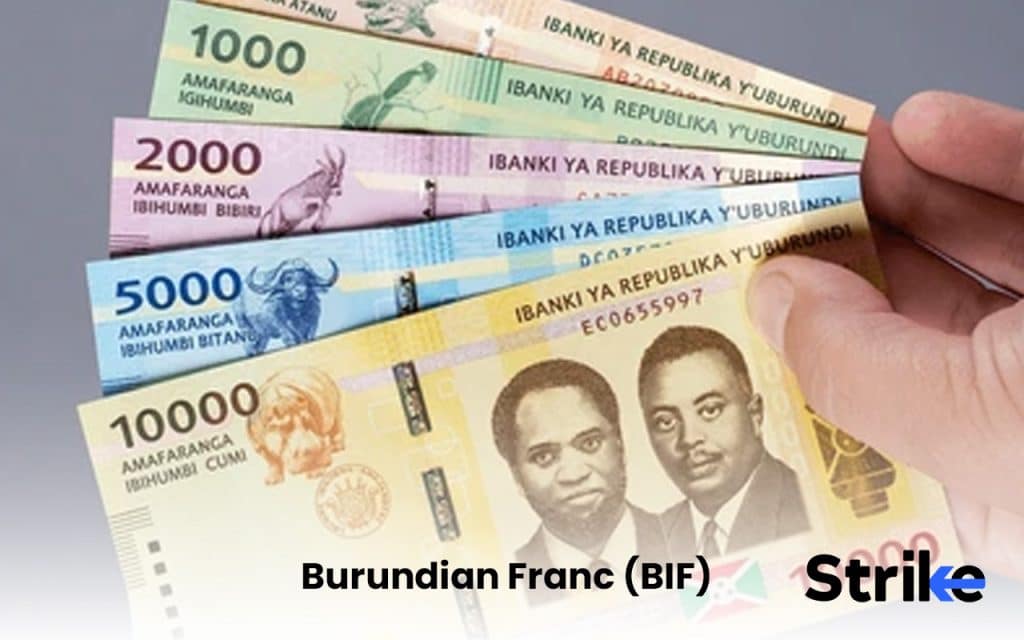
13. Burundian Franc (BIF)
The Burundian Franc (BIF) is the currency of Burundi, which is issued and regulated by the Bank of the Republic of Burundi. The currency was introduced in 1964 after getting Independence from Belgium. Earlier the Rwandan and Burundian shared the same currency, but after independence, Burundi introduced its own currency, the Burundian Franc (BIF) to establish an independent monetary system.
| Burundian Franc (BIF) Summary Table | |
|---|---|
| Currency Name | Burundian Franc |
| Currency Code | BIF |
| Symbol | FBu |
| Value Against USD (Approx) | 1 USD ≈ 2,800 – 3,200 BIF |
| Value Against INR (Approx) | 1 INR ≈ 33 – 38 BIF |
Why the Burundian Franc Is So Weak
- Political instability and economic isolation
- High inflation, reducing purchasing power
- Limited exports and foreign exchange earnings
- Dependence on agriculture, making the economy vulnerable
The Burundian franc is rarely used outside the country, and foreign currencies are difficult to access. Many everyday transactions involve large numbers, reflecting how inflation has reduced the franc’s value over time.
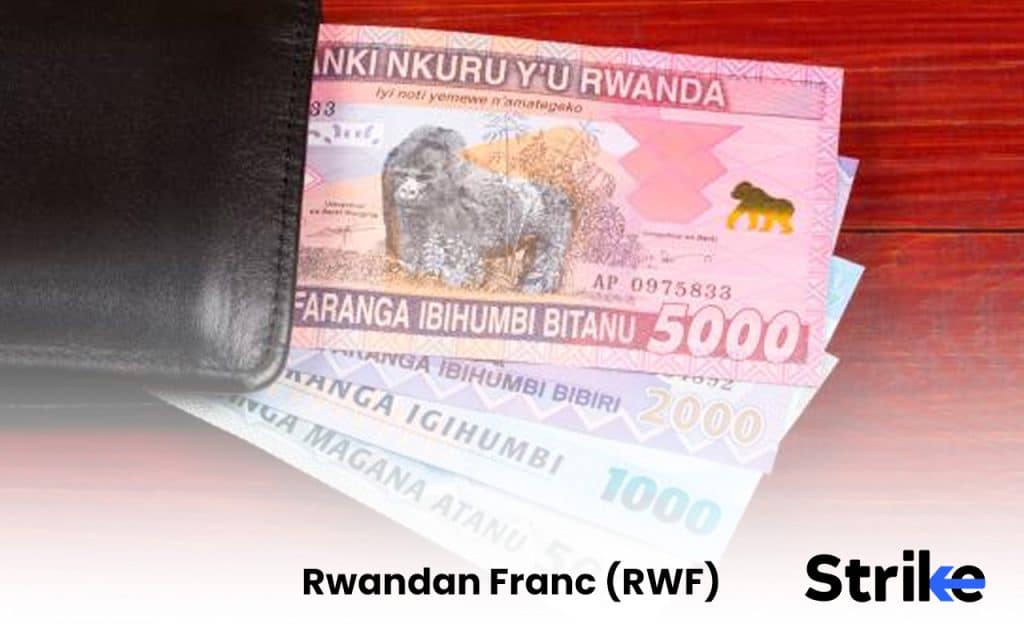
14. Rwandan Franc (RWF)
The Rwandan Franc (RWF) is the currency of Rwanda, which is issued and regulated by the National Bank of Rwanda. The currency was introduced in 1964 after getting independence from Belgium. Rwanda and Burundi were using the same currency which got replaced by Rwandan Franc (RWF) after the Rwandan independence.
| Rwandan Franc (RWF) Summary Table | |
|---|---|
| Currency Name | Rwandan Franc |
| Currency Code | RWF |
| Symbol | FRw |
| Value Against USD (Approx) | 1 USD ≈ 1,200 – 1,300 RWF |
| Value Against INR (Approx) | 1 INR ≈ 14 – 16 RWF |
Why the Rwandan Franc Is So Weak
- Import-dependent economy, increasing demand for foreign currency
- Limited natural resources, restricting export income
- Inflation pressure, reducing purchasing power
- Small domestic market, limiting economic scale
Rwanda has a history of good economic reforms and stability over the past years but the franc is still weak in the face of value. This indicates that the numbers of the currency do not necessarily indicate the effectiveness of the management of an economy.
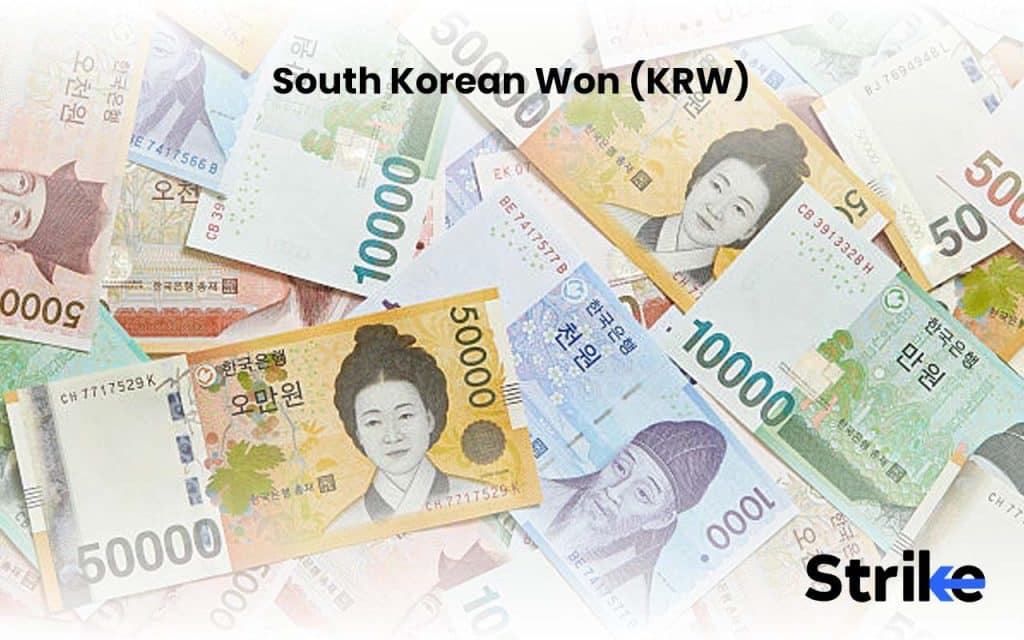
15. South Korean Won (KRW)
The South Korean Won (KRW) is the currency of South Korea which is issued and regulated by the Bank of Korea. The currency was first introduced in 1962 to replace the earlier Hwan and to stabilize inflation as a part of economic reforms after the Korean war.
Although South Korea has grown into a strong economy, the won stayed weak due to inflation over time and active currency management by the central bank.
| South Korean Won (KRW) Summary Table | |
|---|---|
| Currency Name | South Korean Won |
| Currency Code | KRW |
| Symbol | ₩ |
| Value Against USD (Approx) | 1 USD ≈ 1,300 – 1,400 KRW |
| Value Against INR (Approx) | 1 INR ≈ 15 – 17 KRW |
Why the South Korean Won Appears Weak
- Post-war inflation history, which reduced face value
- Export-focused economy, encouraging a competitive currency
- Active central bank management, preventing sharp appreciation
- Global capital flow sensitivity, causing volatility
The South Korean won belongs to the best developed economies in Asia even though it has a low face value. There are international businesses such as Samsung and Hyundai that are based in South Korea and this has demonstrated that the numerical value of a currency does not dictate the actual robustness of an economy.
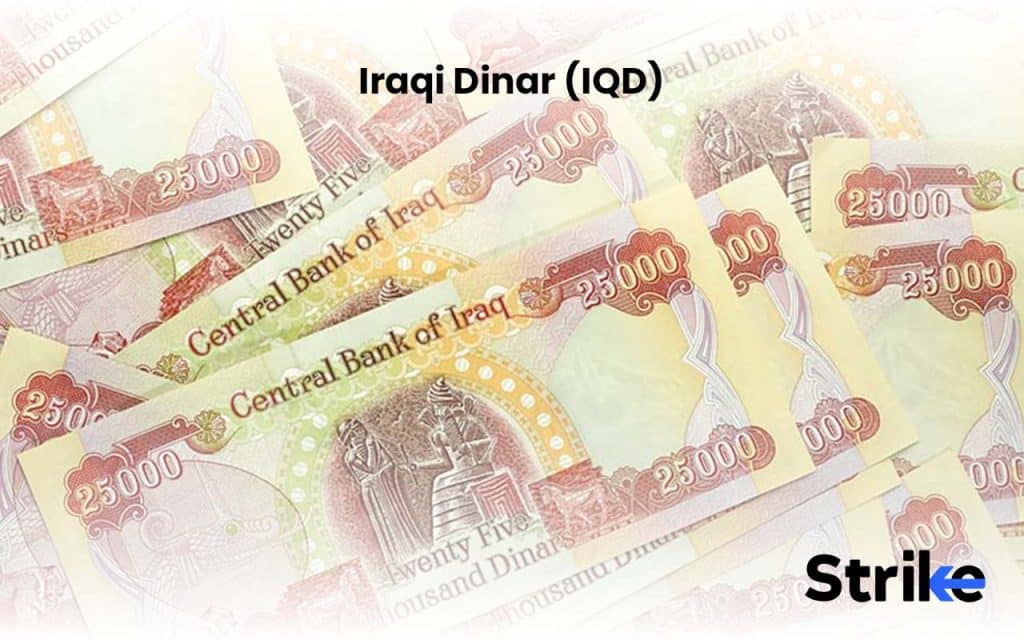
16. Iraqi Dinar (IQD)
The Iraqi Dinar (IQD) is the currency of Iraq, issued by the CentralBank of Iraq. The currency was introduced in 1932 to replace the India rupee which was previously used during the British mandate period. The IQD was one of the strongest currencies in the region due to Iraq’s oil wealth. However, after the decades of war international sanctions, political instability, and inflation severely weakened the dinar.
| Iraqi Dinar (IQD) Summary Table | |
|---|---|
| Currency Name | Iraqi Dinar |
| Currency Code | IQD |
| Symbol | ع.د |
| Value Against USD (Approx) | 1 USD ≈ 1,300 – 1,450 IQD |
| Value Against INR (Approx) | 1 INR ≈ 15 – 17 IQD |
Why the Iraqi Dinar Is So Weak
- Years of war and conflict, damaging the economy
- International sanctions, restricting trade and banking
- High inflation, reducing purchasing power
- Political instability, lowering investor confidence
During the 1970s the Iraqi dinar was even stronger than the US dollar. Its sharp fall demonstrates that war and sanctions can fully transform the currency value of a country although that specific country can be abundant in natural resources such as oil.
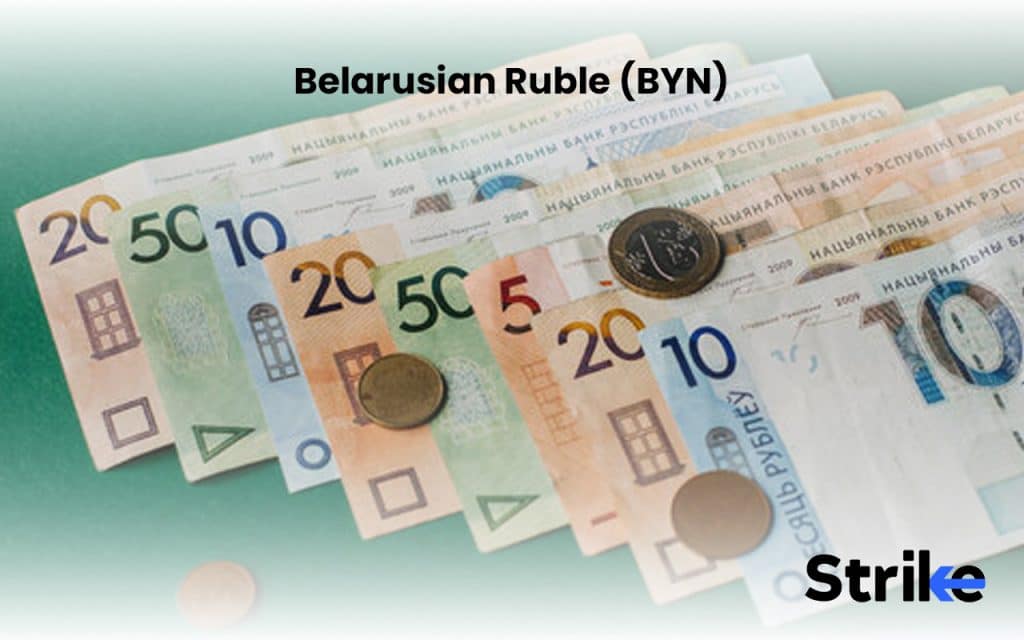
17. Belarusian Ruble (BYN)
The Belarusian Ruble (BYN) is the currency of Belarus and it is issued and regulated by the National Bank of Belarus. The currency was first introduced in 1992 after the breakup of the Soviet Union. Belarus also carried out a redenomination in 2016, removing four zeros from the currency due to very high inflation. Despite this reform Belarusian Ruble (BYN) got weak compared to major global currencies.
| Belarusian Ruble (BYN) Summary Table | |
|---|---|
| Currency Name | Belarusian Ruble |
| Currency Code | BYN |
| Symbol | Br |
| Value Against USD (Approx) | 1 USD ≈ 3.2 – 3.5 BYN |
| Value Against INR (Approx) | 1 INR ≈ 0.38 – 0.42 BYN |
Why the Belarusian Ruble Is So Weak
- High inflation in the past, reducing currency value
- Strong government control over the economy
- International sanctions, limiting trade and investment
- Dependence on Russia, increasing economic risk
Due to inflation, Belarus has had to change its currency severally since independence. Prices continue to be strictly regulated by the government even after eliminating zeros in 2016, resulting in the ruble being an odd combination of banknotes in the modern world and hard-to-liberalize economics.
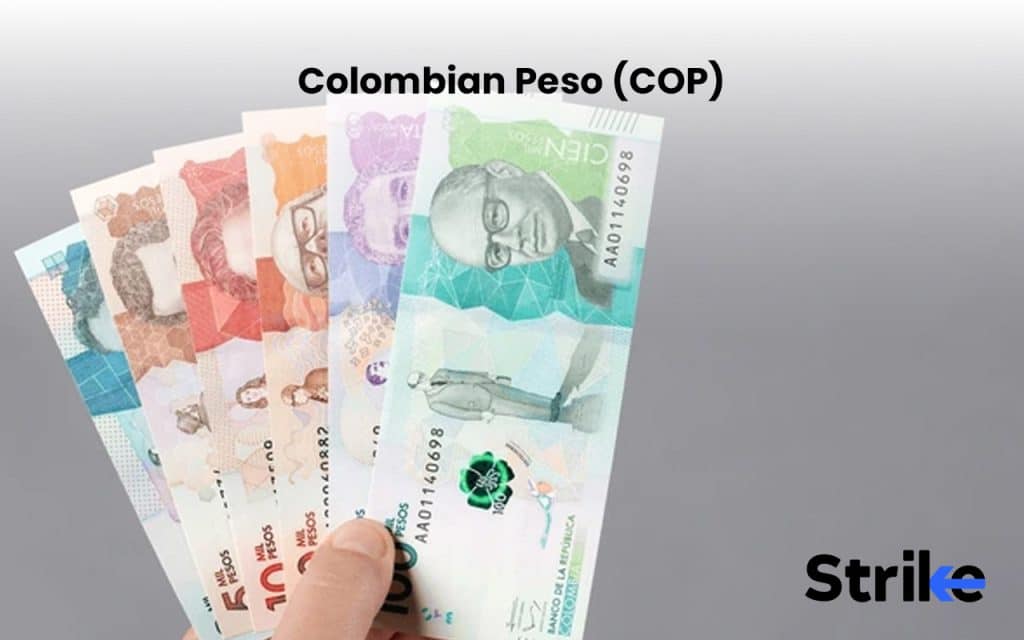
18. Colombian Peso (COP)
The Colombian Peso (COP) is the currency of Colombia which is issued and regulated by the Bank of the Republic (Banco de la República). The currency was introduced in 1810, which makes it one of the oldest currencies in Latin America. Although Colombia is a grown economy, the peso’s value weakened due to inflation, dependence on commodity exports like oil and coal, and global market volatility.
| Colombian Peso (COP) Summary Table | |
|---|---|
| Currency Name | Colombian Peso |
| Currency Code | COP |
| Symbol | $ |
| Value Against USD (Approx) | 1 USD ≈ 3,900 – 4,200 COP |
| Value Against INR (Approx) | 1 INR ≈ 47 – 51 COP |
Why the Colombian Peso Is So Weak
- Dependence on oil and commodity exports, causing volatility
- Inflation pressure, reducing purchasing power
- Sensitivity to global market trends, especially US dollar strength
- Political and policy uncertainty, affecting investor confidence
Although the peso has a low face value, Colombia uses modern, colorful polymer banknotes with advanced security features. The peso’s value often moves closely with global oil prices, showing how commodities can influence a country’s currency.
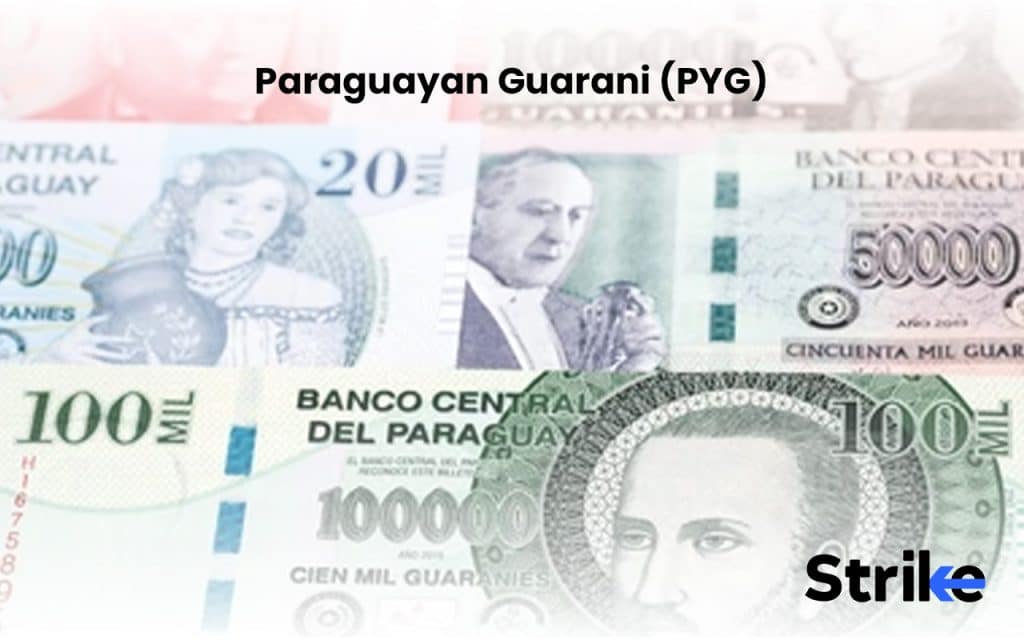
19. Paraguayan Guarani (PYG)
The Paraguayan Guarani (PYG) is the currency of Paraguay which is issued and regulated by the Central Bank of Paraguay. The currency was introduced in 1944 to gain better control over Paraguay monetary system and to replace the Paraguayan peso for economic stability after years of inflation.
| Paraguayan Guarani (PYG) Summary Table | |
| Currency Name | Paraguayan Guarani |
| Currency Code | PYG |
| Symbol | ₲ |
| Value Against USD (Approx) | 1 USD ≈ 7,200 – 7,600 PYG |
| Value Against INR (Approx) | 1 INR ≈ 86 – 91 PYG |
- Long-term inflation, reducing purchasing power
- Small and agriculture-based economy, limiting exports
- Low industrial development, slowing economic growth
- Limited global demand, reducing currency strength
The Paraguayan coins are non-existent and the country makes use of banknotes almost entirely. Although the guarani has a low face value, it is relatively stable as compared to most other currencies in the region.
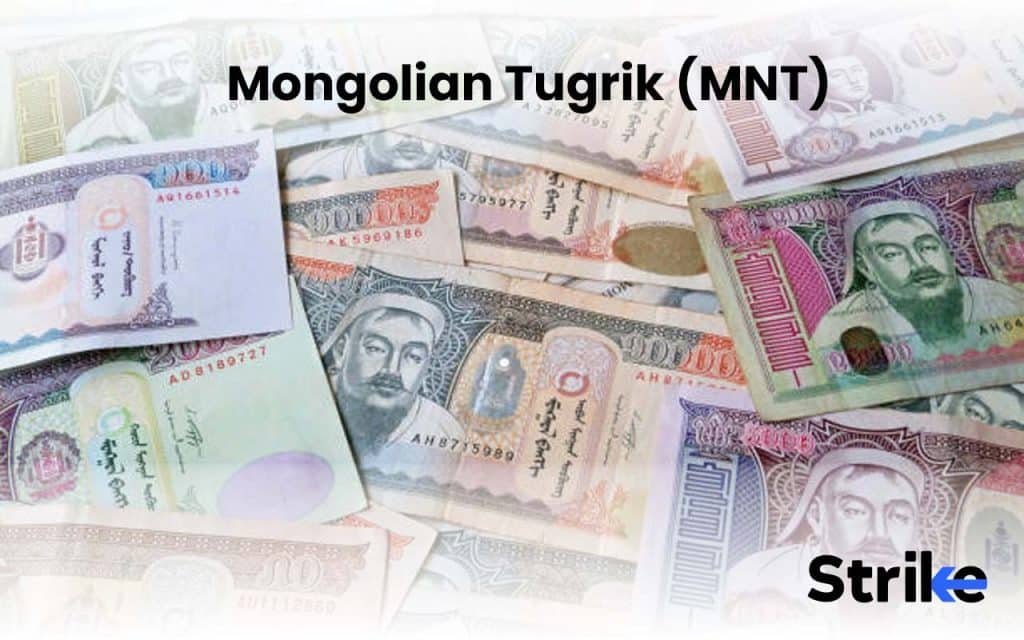
20. Mongolian Tugrik (MNT)
The Mongolian Tugrik (MNT) is the currency of Mongolia which is issued and regulated by the Bank of Mongolia. The Mongolian Tugrik (MNT) was issued in 1925 after replacing the mongolian dollar, to establish a unified monetary system. The tugrik plays a crucial role in supporting Mongolia’s economy, which is heavily dependent on mining and commodity exports.
| Mongolian Tugrik (MNT) Summary Table | |
|---|---|
| Currency Name | Mongolian Tugrik |
| Currency Code | MNT |
| Symbol | ₮ |
| Value Against USD (Approx) | 1 USD ≈ 3,300 – 3,500 MNT |
| Value Against INR (Approx) | 1 INR ≈ 40 – 43 MNT |
Why the Mongolian Tugrik Is So Weak
- Heavy dependence on mining exports (coal, copper, gold), making the currency sensitive to global commodity prices
- Trade imbalance and reliance on neighboring economies like China
- Inflation fluctuations, reducing purchasing power over time
- Limited economic diversification, slowing long-term currency strength
The Mongolian tugrik is mainly circulated in banknotes and less in coins in daily transactions. Although it has low face value compared to major global currencies, it remains stable within the region but can experience volatility due to commodity price changes.
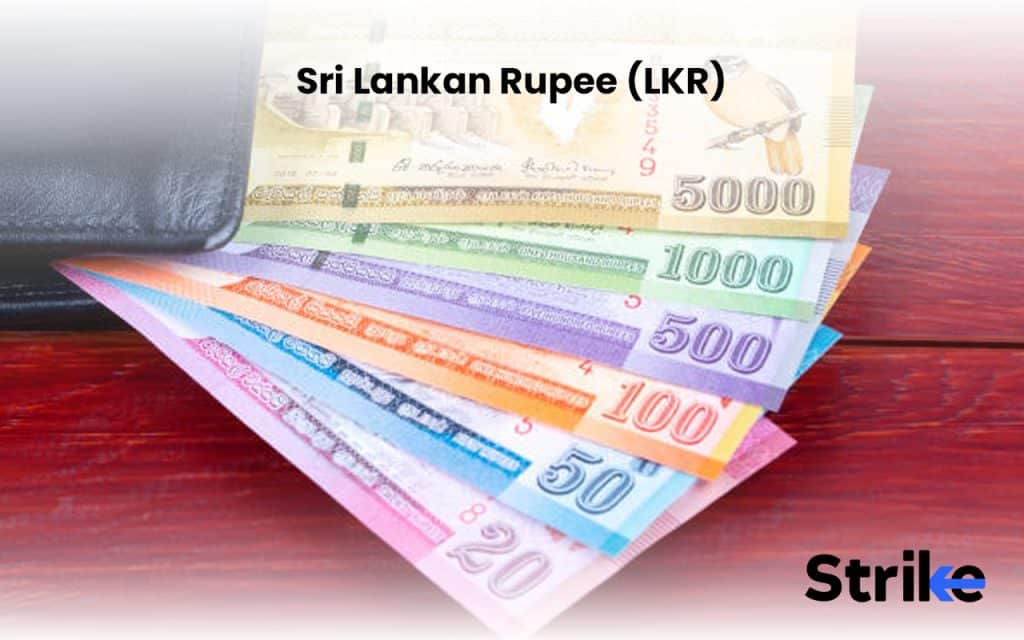
21. Sri Lankan Rupee (LKR)
The Sri Lankan Rupee (LKR) is the currency of Sri Lanka, issued and regulated by the Central Bank of Sri Lanka. The currency was introduced in 1885 to replace the Indian rupee during British rule. Sri Lanka continued using the rupee as the national currency after independence.
| Sri Lankan Rupee (LKR) Summary Table | |
| Currency Name | Sri Lankan Rupee |
| Currency Code | LKR |
| Symbol | Rs |
| Value Against USD (Approx) | 1 USD ≈ 300 – 330 LKR |
| Value Against INR (Approx) | 1 INR ≈ 3.6 – 4.0 LKR |
Why the Sri Lankan Rupee Is So Weak
- High government debt and fiscal deficits
- Severe foreign exchange shortages
- Import-heavy economy, increasing dollar demand
- Economic crisis and loss of investor confidence
During the 2022 crisis, the Sri Lankan rupee became one of the fastest-depreciating currencies in the world. Since then, reforms and IMF support have helped stabilize it, showing how economic policy changes can strongly impact a currency’s value.
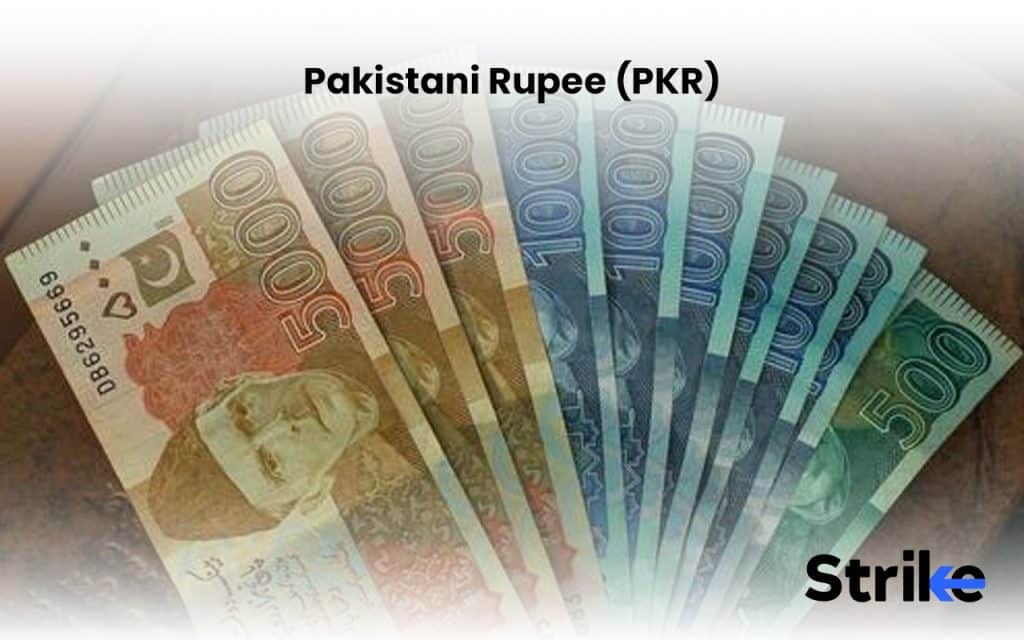
22. Pakistani Rupee (PKR)
The Pakistani Rupee (PKR) is the currency of Pakistan which is issued and regulated by the State Bank of Pakistan. The currency was launched in 1947 after getting independence from British India, replacing the Indian rupee with Pakistani rupee.
| Pakistani Rupee (PKR) Summary Table | |
| Currency Name | Pakistani Rupee |
| Currency Code | PKR |
| Symbol | Rs |
| Value Against USD (Approx) | 1 USD ≈ 280 – 310 PKR |
| Value Against INR (Approx) | 1 INR ≈ 3.4 – 3.8 PKR |
Why the Pakistani Rupee Is So Weak
- High inflation and rising debt levels
- Persistent trade and current account deficits
- Low foreign exchange reserves
- Political and economic uncertainty
In the past decades, the Pakistani rupee has undergone numerous sharp devaluations, particularly when IMF bailouts are being done. Through these, however, it is one of the most actively traded currencies in South Asia.
23. Egyptian Pound (EGP)
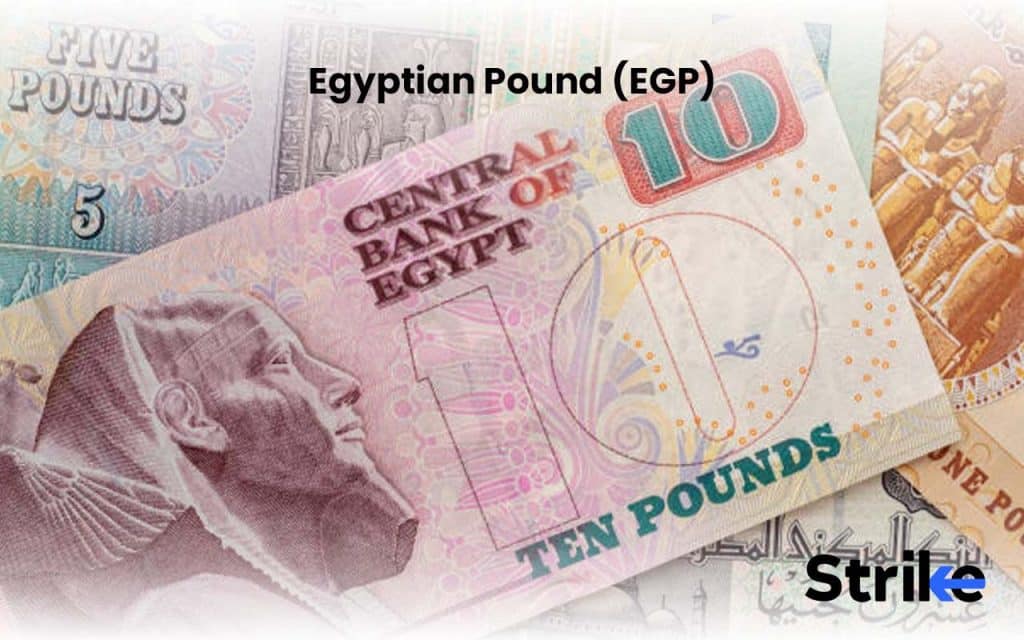
The Egyptian Pound (EGP) is the currency of Egypt, issued and regulated by the Central Bank of Egypt. The currency was introduced in 1834 which makes it one of the oldest currencies in the Middle East and Africa. Initially, the EGP was relatively strong, but due to repeated currency devaluation, high inflation and foreign exchange shortages EGP have weakened in recent years.
| Egyptian Pound (EGP) Summary Table | |
|---|---|
| Currency Name | Egyptian Pound |
| Currency Code | EGP |
| Symbol | £ or E£ |
| Value Against USD (Approx) | 1 USD ≈ 30 – 32 EGP |
| Value Against INR (Approx) | 1 INR ≈ 0.36 – 0.39 EGP |
Why the Egyptian Pound Is So Weak
- Repeated currency devaluations to manage economic pressure
- High inflation, reducing purchasing power
- Foreign exchange shortages, limiting imports
- Heavy dependence on external funding and tourism
In the modern days, the Egyptian pound is weak; however, in the past days, the pound was pegged to gold, and considered very stable. During the last few years, Egypt has liberalized the currency to the free floating exchange rate and the outcome is the dramatic yet necessary changes in the exchange rate of this currency.
24. Argentine Peso (ARS)
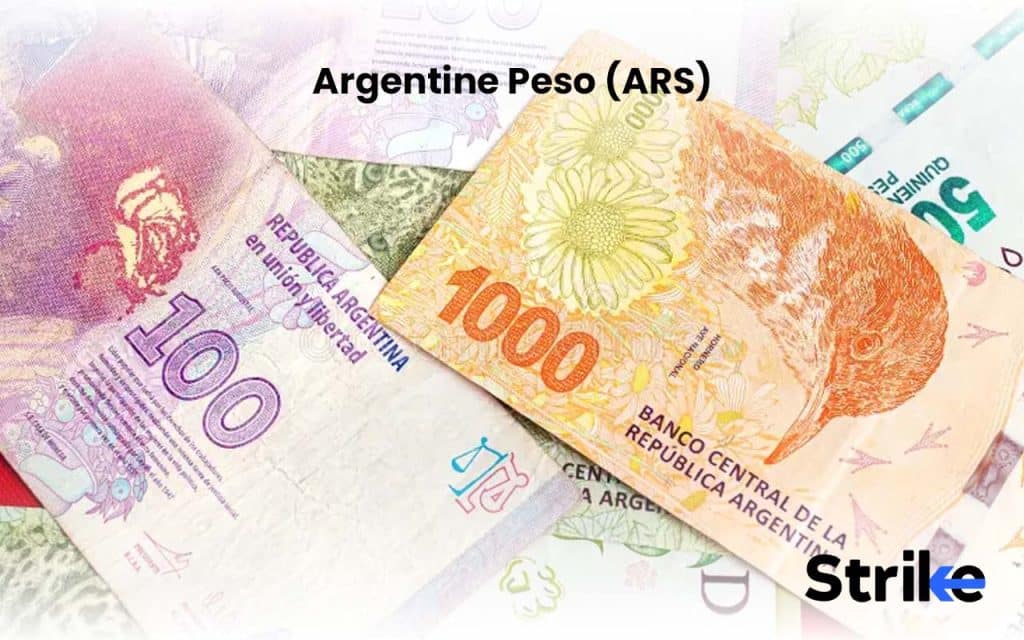
The Argentine Peso (ARS) is the currency of Argentina which is issued and regulated by the Central Bank of Argentina. The Currency was introduced in 1992 after the period of hyperinflation to replace the austral. Initially it was pegged to the US dollar to maintain the stability, but the due repeated economic crises, high inflation, heavy government spending, and loss of investor confidence have severely weakened the peso over time.
| Argentine Peso (ARS) Summary Table | |
|---|---|
| Currency Name | Argentine Peso |
| Currency Code | ARS |
| Symbol | $ |
| Value Against USD (Approx) | 1 USD ≈ 900 – 1,100 ARS* |
| Value Against INR (Approx) | 1 INR ≈ 11 – 14 ARS* |
Why the Argentine Peso Is So Weak
- Very high inflation, reducing purchasing power
- Frequent economic crises and debt defaults
- Strict capital controls, hurting investor confidence
- Loss of trust in the local currency, increasing dollar demand
In Argentina, the currency has been changed several times within the last century to fight against inflation. In Argentina there are many individuals who are saving in US dollars rather than pesos and this shows how much inflation has struck a blow to faith in the domestic currency.
25. Venezuelan Bolívar (VES)
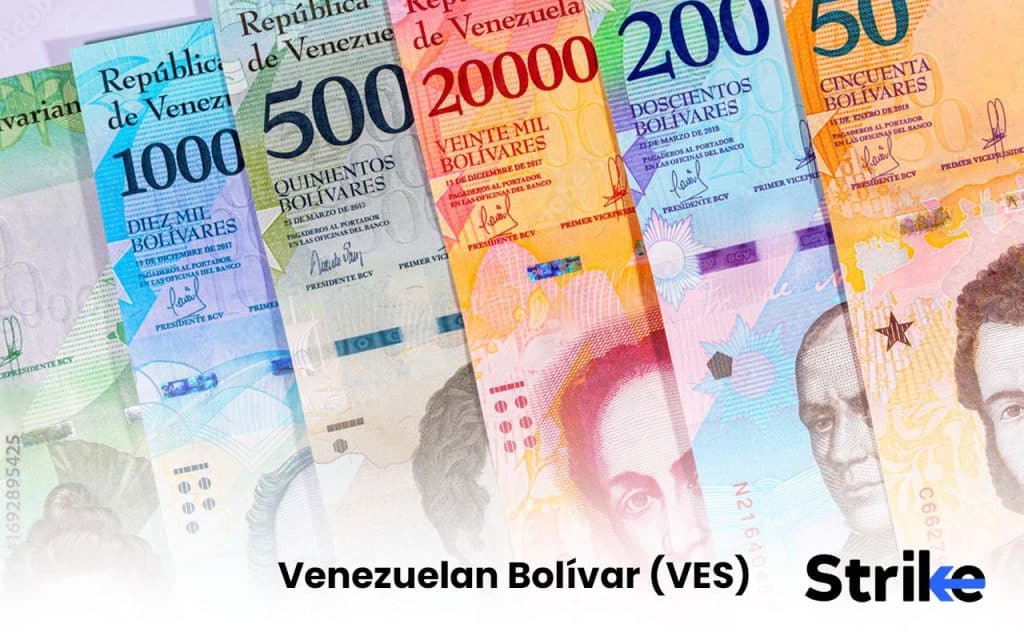
The Venezuelan Bolívar (VES) is the currency of Venezuela and is issued and regulated by the Central Bank of Venezuela. The currency was introduced in 1879 and once was the strongest currency in Latin America.
Due to several economic mismanagement and sanctions, Venezuela introduced multiple currency reforms. The current bolívar soberano (VES) was launched in 2018, removing five zeros from the previous currency to control hyperinflation.
| Venezuelan Bolívar (VES) Summary Table | |
|---|---|
| Currency Name | Venezuelan Bolívar |
| Currency Code | VES |
| Symbol | Bs |
| Value Against USD (Approx) | 1 USD ≈ 35 – 40 VES |
| Value Against INR (Approx) | 1 INR ≈ 0.42 – 0.48 VES |
Why the Venezuelan Bolívar Is So Weak
- Extreme hyperinflation, destroying purchasing power
- Economic mismanagement and price controls
- Collapse in oil production, reducing foreign income
- Loss of public trust, leading to dollarization
Venezuela has gone through numerous reforms to eliminate more than 13 zeros in its currency system over the last five years since 2008. US dollars or digital currency has become a daily routine among the people of Venezuela in their daily lives since the bolivar is not a realistic store of value or at large scale.
26. Nigerian Naira (NGN)
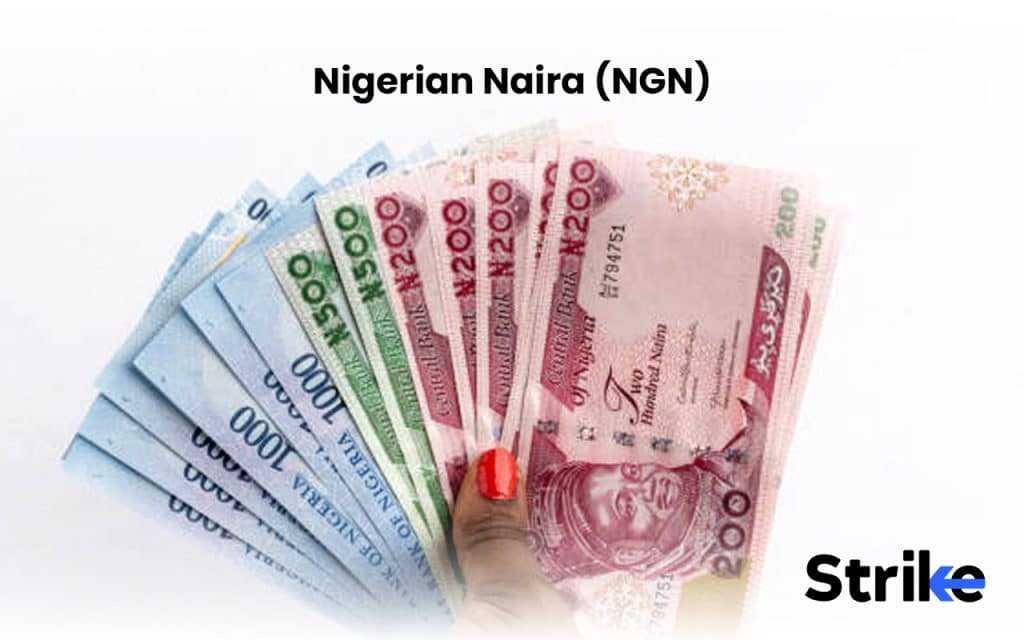
The Nigerian Naira (NGN) is the currency of Nigeria which is issued and regulated by the Central Bank of Nigeria. The currency was introduced in 1973 to replace the old Nigerian pound system and switch to a decimal system, where money is counted in multiples of 10. Initially the NGN was strong due to oil reserves.
| Nigerian Naira (NGN) Summary Table | |
| Currency Name | Nigerian Naira |
| Currency Code | NGN |
| Symbol | ₦ |
| Value Against USD (Approx) | 1 USD ≈ 1,400 – 1,600 NGN* |
| Value Against INR (Approx) | 1 INR ≈ 16 – 19 NGN* |
Why the Nigerian Naira Is So Weak
- High inflation, reducing purchasing power
- Dependence on oil exports, exposing the economy to price shocks
- Foreign exchange shortages, limiting dollar availability
- Frequent currency devaluations, hurting confidence
In 2023, Nigeria reprinted banknotes to reduce the cash hoarding rate and enhance a higher level of transparency. Despite the naira being the biggest economy in Africa, it is still weak and this fact demonstrates that the size of the economy does not always translate to a strong currency.
27. Haitian Gourde (HTG)
The Haitian Gourde (HTG) is the currency of Haiti, issued and regulated by the Bank of the Republic of Haiti. The currency was introduced in 1813 which makes it one of the oldest currencies in the Caribbean. HTG replaced the colonial French currency after Haiti claimed independence.
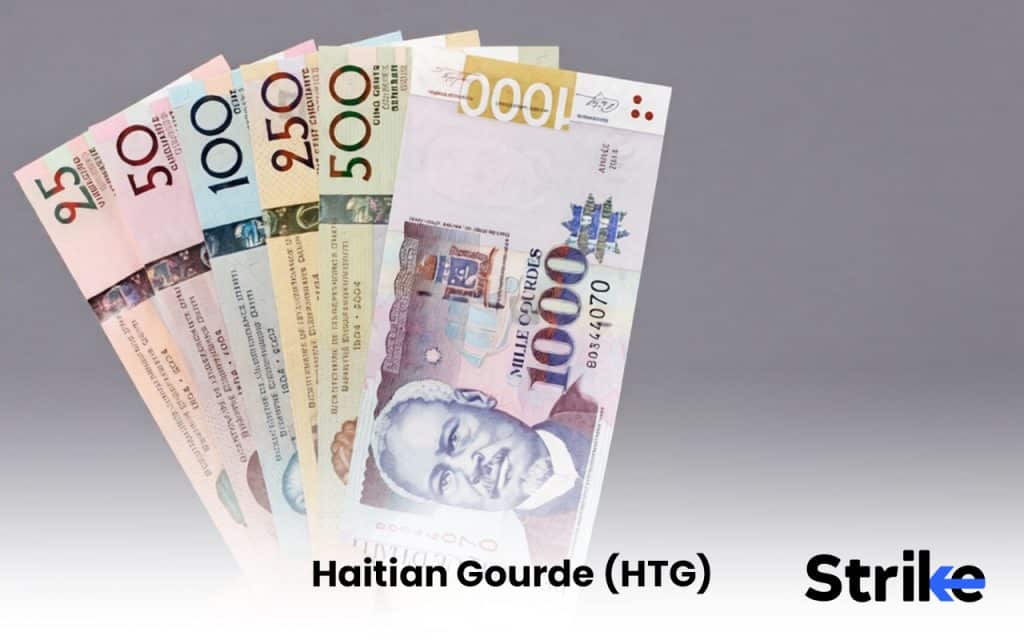
| Haitian Gourde (HTG) Summary Table | |
|---|---|
| Currency Name | Haitian Gourde |
| Currency Code | HTG |
| Symbol | G |
| Value Against USD (Approx) | 1 USD ≈ 130 – 150 HTG |
| Value Against INR (Approx) | 1 INR ≈ 1.6 – 1.9 HTG |
Why the Haitian Gourde Is So Weak
- Chronic political instability, hurting investor confidence
- High inflation, reducing purchasing power
- Frequent natural disasters, damaging the economy
- Heavy dependence on imports and aid, increasing foreign currency demand
In Haiti, most of the prices are usually quoted in Haitian dollars, which does not exist physically, where 1 Haitian dollar equals 5 gourdes. This is a unique custom that bewilders the visitors and is understood by the locals to a great extent.
28. Nepalese Rupee (NPR)
The Nepalese Rupee (NPR) is the currency of Nepal which is issued and regulated by the Nepal Rashtra Bank. The currency was introduced in 1932 to replace the use of silver coins.
Nepal pegged its currency to the Indian Rupee to maintain the economic stability. This provides limited industrial growth, heavy import dependence, and low export earnings keep the Nepalese rupee weak in value.
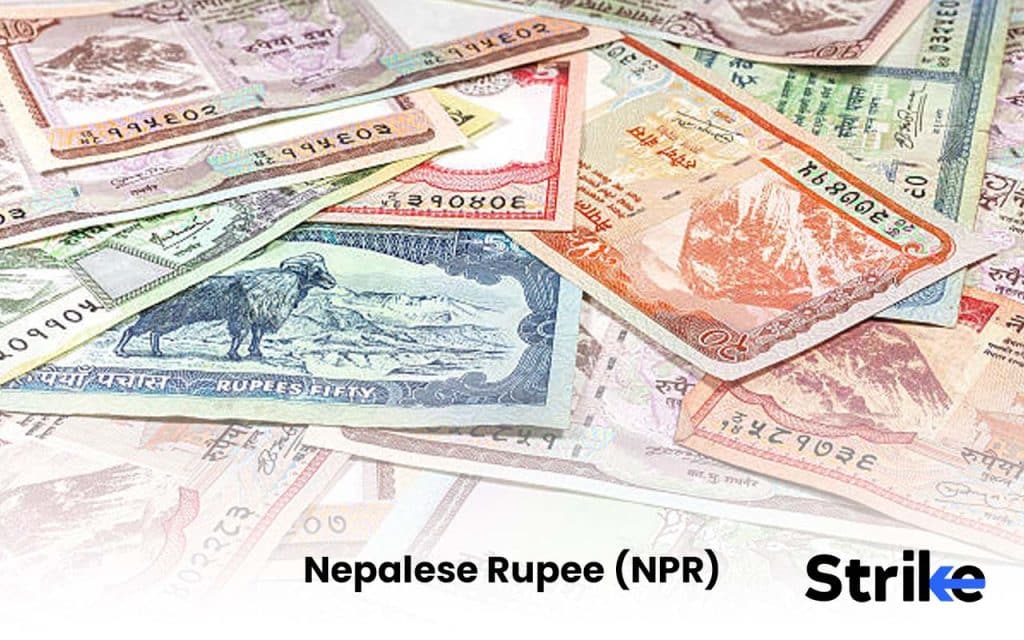
| Nepalese Rupee (NPR) Summary Table | |
| Currency Name | Nepalese Rupee |
| Currency Code | NPR |
| Symbol | Rs |
| Value Against USD (Approx) | 1 USD ≈ 132 – 135 NPR |
| Value Against INR (Approx) | 1 INR = 1.6 NPR (fixed peg) |
Why the Nepalese Rupee Is So Weak
- Pegged to the Indian Rupee, limiting independent strength
- Import-heavy economy, increasing foreign currency demand
- Low industrial and export base, reducing dollar inflows
- Dependence on remittances, exposing currency risk
The Nepalese rupee is one of the few officially pegged currencies that are pegged against the Indian rupee. The two countries have high economic ties with each other since the currency of India is well accepted in Nepal.
29. Bangladeshi Taka (BDT)
The Bangladeshi Taka (BDT) is the currency of Bangladesh which is issued and regulated by the Bangladesh Bank. The currency was introduced in 1972 soon after the independence of Bangladesh from Pakistan. The taka replaced the Pakistan rupee and became the foundation of Bangladesh’s monetary system.
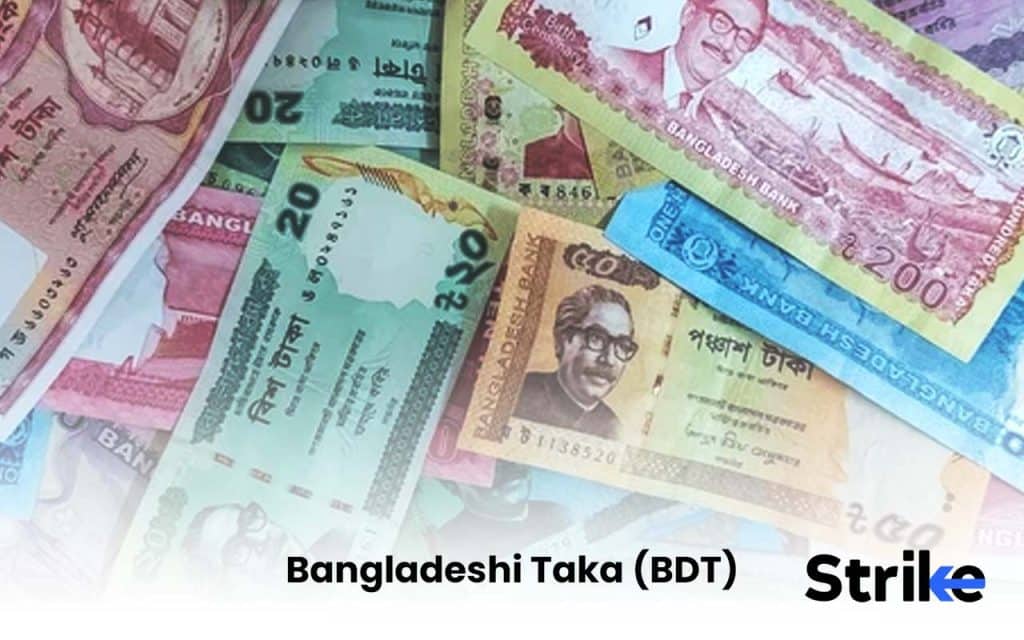
| Bangladeshi Taka (BDT) Summary Table | |
|---|---|
| Currency Name | Bangladeshi Taka |
| Currency Code | BDT |
| Symbol | ৳ |
| Value Against USD (Approx) | 1 USD ≈ 110 – 120 BDT |
| Value Against INR (Approx) | 1 INR ≈ 1.3 – 1.4 BDT |
Why the Bangladeshi Taka Is So Weak
- High import dependence, increasing dollar demand
- Inflation pressure, reducing purchasing power
- Foreign exchange shortages, affecting stability
- Trade imbalances, weakening currency strength
The word ‘taka” is an ancient Sanskrit word that signifies money and is spoken in South Asia. The taki remains feeble as the price of imports and energy continues to rise despite the escalating export industry especially the garments industry.
30. Indian Rupee (INR)
The Indian Rupee (INR) is the official currency of India which is issued and regulated by the Reserve Bank of India (RBI). The history of the rupee traced to ancient India, however, the contemporary rupee was introduced in 1947, following independence. In 1957, India adopted a decimal system, where 1 rupee = 100 paise, replacing the older system of annas and price.
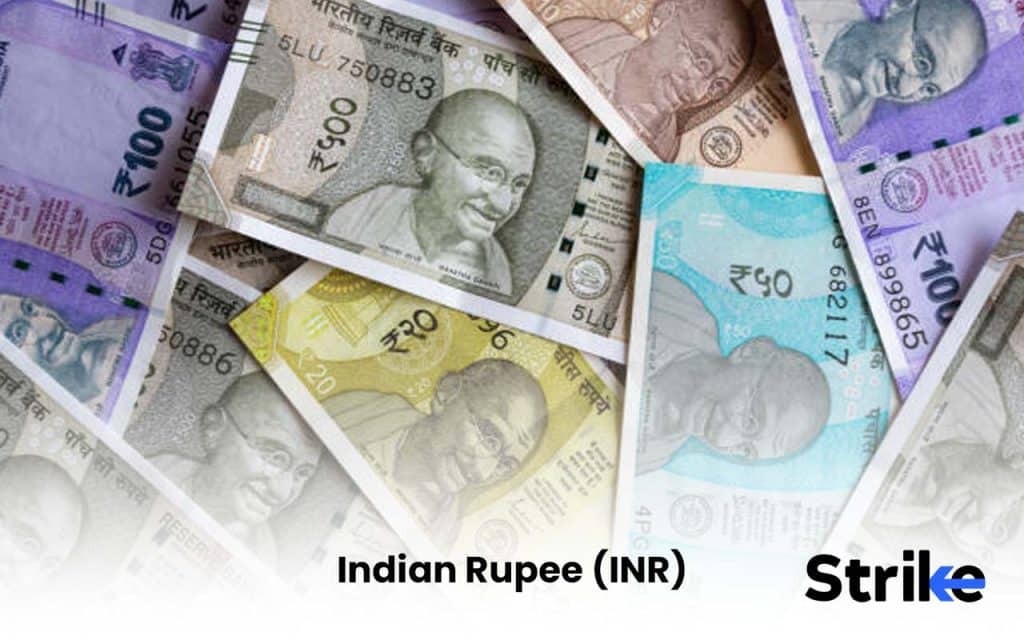
| Indian Rupee (INR) Summary Table | |
|---|---|
| Currency Name | Indian Rupee |
| Currency Code | INR |
| Symbol | ₹ |
| Value Against USD (Approx) | 1 USD ≈ 82 – 85 INR |
Why the Indian Rupee Appears Weak
- High dependence on crude oil imports, increasing dollar demand
- Persistent inflation, impacting real purchasing power
- Current account deficit due to import-heavy consumption
- Capital outflows during global risk-off phases
- Strong US dollar cycle putting pressure on emerging market currencies
The term rupee is derived after the Sanskrit word rupaya which means silver coin. Despite the pressure exerted by the energy imports and the tightening measures seen in the global market, the Indian Rupee is still relatively stable among the emerging-market currencies due to its strong domestic demand, robust services industry, and solid reserves.
Why Do Some Currencies Become So Weak?
There are multiple reasons rather than a single factor which makes some currencies so weak. Factors such as persistence inflation, weak economic growth, high fiscal deficits, and declining foreign exchange reserves undermine confidence.
Also political instability, policy uncertainty, and poor governance discourage foreign investment and trigger capital outflows. Together, these factors erode trust in the economy, causing the currency to lose value over time.
Historical Cases of Currency Collapse
Mentioned below are some historical cases of price collapse due to hyperinflation, debt, mismanagement and political instability.
- Weimar Germany (1923): After World War I, Germany faced massive war reparations and fiscal stress. To meet obligations and domestic spending, the government resorted to excessive money printing. This led to one of the worst hyperinflation episodes in history, where prices doubled within days and savings were completely wiped out, destroying public trust in the currency.
- Zimbabwe (2008): Severe economic mismanagement, declining agricultural output, and international isolation pushed the government to print money aggressively to finance spending. Inflation reached astronomical levels, forcing the abandonment of the Zimbabwean dollar and the eventual use of foreign currencies like the US dollar.
- Argentina (2000s–present): Argentina has experienced repeated currency crises due to chronic inflation, persistent fiscal deficits, high external debt, and weak central bank independence. Capital controls and frequent policy shifts further eroded confidence, leading to recurring sharp devaluations of the peso.
- Venezuela (2016–2019): Heavy reliance on oil revenues made the economy vulnerable to falling crude prices. Combined with sanctions, fiscal mismanagement, and uncontrolled money printing, inflation spiraled into hyperinflation, collapsing the bolívar and severely reducing purchasing power.
- Lebanon (2019–2023): Years of fixed exchange rate mismanagement, excessive government borrowing, and a fragile banking system drained foreign reserves. When confidence collapsed, banks restricted withdrawals, the currency sharply devalued, and the economy entered a deep financial crisis.
These cases demonstrate that currency collapse is usually a slow-burning process—History of Stock Market lessons included—driven by prolonged economic imbalance, policy failures, and loss of institutional credibility.
Can a Weak Currency Strengthen Again?
Yes, a weak currency can strengthen again only if the fundamentals start improving, because the value of the currency depends on the core fundamentals of the country, not by short term speculation or policy change.
The key fundamental parameters that need to be changed include inflation control, monetary policies, fiscal deficits, trade balance improvement, forex exchange reserve, political and policy stability, and capital inflow.
The Brazilian real (BRL) is one prime example of how a weak currency can strengthen again once the fundamentals improve. BRL rebounded in early 2025 with gains more than 8% against USD after Brazil controlled inflation, raised interest rates, benefited from strong commodity exports, and improved fiscal discipline.
How Forex Traders View Weak Currencies
Forex traders view weak currency as an opportunity for directional trade instead of long term investing. A weak currency creates a clear and tradable trend in the forex market after reacting to inflation, rate cuts, trade deficits, or capital outflows.
Most traders sell weak currencies instead of buying. In Forex Trading, when fundamental and price action align, weak currencies tend to trade lower for a longer period of time, which makes this ideal for a carry-style short trade.
Should You Invest in Weak Currencies?
No, you should not directly invest in weak currencies as weak currencies often lose value due to high inflation, fiscal deficits, political instability, or poor monetary policy, which can gradually erode the returns when converted back to strong currencies like the USD.
Although, we can not directly invest in weak currencies, we can profit from these currencies by short-term trading using mean reversion, policy announcements, interest-rate shocks, or IMF-led stabilization programs—similar to tactics used in the Stock Market. However, it comes with higher risk because of sudden devaluations, capital controls, liquidity issues, and extreme volatility, making timing critical and losses hard to manage.
What is the Strongest Currency in the World?
The strongest currency in the world is the currency which has the highest exchange value against the US Dollar. Which means, it requires less units to buy one USD. Kuwaiti Dinar (KWD) is the strongest currency in the world, holding the highest exchange value against US Dollar. This means that the one Kuwaiti Dinar (KWD) can buy approximately $3.24 to $3.26 US Dollars (USD).
The strength of Kuwaiti Dinar (KWD) comes from the large oil reserves, strong trade, low inflation, maintained monetary system, and currency pegged to a basket of major currencies—factors often seen among the Strongest Currencies. It is important to note that strong currency refers to value per unit of the currency, not the economic size or global usage.

 21 mins