Top 30 Strongest Currencies In The World Ranked in 2026

 Author

 Editor
The strongest (highest-valued) currencies in the world are those currencies which trade at higher nominal value against major global currencies such USD or EUR. The strongest currencies are usually backed by a strong economy, disciplined monetary policy, strong external balances, and controlled inflation.
Currently in 2026, the list of strongest currencies is mostly dominated by the Middle Eastern dinars, European safe-haven currencies, and select developed-market units.
What Does “Strongest Currency” Mean?
The Strongest currency means the currency which has a higher value compared to other global currencies, such as the US Dollar (USD), Euro (EUR), and British Pound (GBP). One common way to measure the strength of the currency is the exchange rate against the US Dollar, which acts as a global benchmark in the forex market. A higher exchange rate means strong currency.
There are different criterias other than exchange rate to measure the strength of currency, which includes
- Purchasing Power Parity (PPP): It measures how much goods and services a currency can buy domestically, which reflects the real time economic strength rather than market price alone.
- Forex Reserve Status: When currencies are widely held by central banks as reserves, it indicates the global trust and financial importance of the currency.
- Global Trade Dominance: Currencies which are frequently used in international trade and commodity pricing are considered stronger due to constant global demand.
- Stability and Inflation Levels: Low inflation, stable monetary policy, and economic predictability enhance long-term currency strength and investor confidence.
The strongest currency has the balance of high exchange value, purchasing power, global acceptance, and economic stability.
List of 10 Strongest Currencies in the World
The top 10 strongest currencies in the world are mentioned below in the table with currency code and exchange rate.
| Position | Currency (Code) | Exchange Rate* (per 1 USD) |
|---|---|---|
| 1 | Kuwaiti Dinar (KWD) | 1 USD ≈ 0.31 KWD |
| 2 | Bahraini Dinar (BHD) | 1 USD ≈ 0.38 BHD |
| 3 | Omani Rial (OMR) | 1 USD ≈ 0.38 OMR |
| 4 | Jordanian Dinar (JOD) | 1 USD ≈ 0.71 JOD |
| 5 | British Pound (GBP) | 1 USD ≈ 0.78 GBP |
| 6 | Cayman Islands Dollar (KYD) | 1 USD ≈ 0.83 KYD |
| 7 | Swiss Franc (CHF) | 1 USD ≈ 0.88 CHF |
| 8 | Euro (EUR) | 1 USD ≈ 0.92 EUR |
| 9 | US Dollar (USD) | 1 USD = 1 USD |
| 10 | Canadian Dollar (CAD) | 1 USD ≈ 1.35 CAD |
The given exchange rates in the above table are approximate values against the USD. The exchange rate of the currency only reflects the exchange value, not the economic size or purchasing power.
What is the Ranking of Strongest Currencies Globally?
The top 30 strongest currencies in the world, ranked by their exchange rate value against the US dollar, are briefly listed below.
1. Kuwaiti Dinar (KWD)
The Kuwaiti Dinar (KWD) is the official currency of the state of Kuwait which is widely recognised as the strongest currency in the world by exchange value. The Kuwaiti Dinar (KWD) wasintroduced in 1961 after Kuwait gained independence from British protection. In 1968, the central Bank of Kuwait (CBK) was established to regulate and issue the currency. Currently the Kuwait Dinar is backed by vast oil wealth and prudent monetary management, which helped it maintain exceptional stability and global confidence.
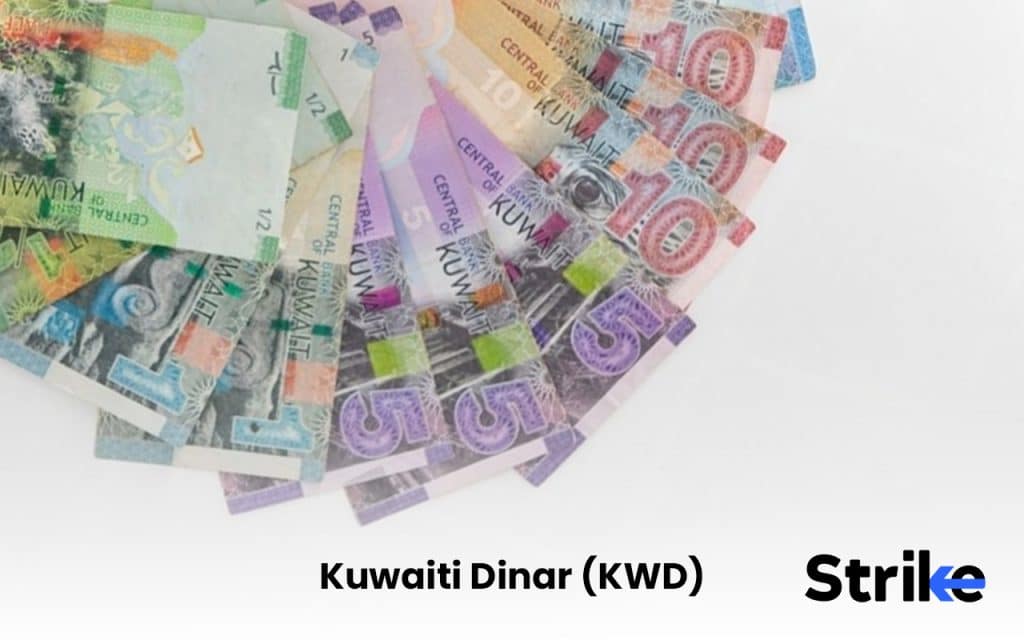
| Kuwaiti Dinar (KWD) Summery | |
| Currency Name | Kuwaiti Dinar |
| Currency Code | KWD |
| Symbol | د.ك |
| Value Against USD (Approx) | 1 KWD ≈ 3.25 USD |
| Value Against INR (Approx) | 1 KWD ≈ 270 INR |
Why the Kuwaiti Dinar Is So Strong
- Supported by vast oil reserves and consistently strong export revenues.
- Maintained through a currency basket peg, ensuring stability and flexibility
- Backed by large foreign exchange reserves and fiscal surplus
- Conservatively managed by the Central Bank of Kuwait, ensuring monetary discipline
Weaknesses of the Kuwaiti Dinar
- Highly dependent on oil which makes it sensitive to crude price fluctuations.
- Limited economic diversification beyond the energy sector
- Low global circulation and convertibility compared to major currencies
- Exposure to regional geopolitical risks in the Middle East
The Kuwaiti Dinar is divided into 1,000 fils instead of the usual 100. Kuwaiti replaced all banknotes after the 1990 Gulf War to prevent misuse of stolen currency.
2. Bahraini Dinar (BHD)
The Bahraini Dinar (BHD) is the official currency of the Kingdom of Bahrain which is the strongest currency in the world by face value. The Bahraini Dinar (BHD) was introduced in 1965 by replacing the Gulf Rupee, as Bahrain moved toward greater monetary independence. The currency is issued and regulated by the Central Bank of Bahrain. Since the beginning, the Dinar is fixed with USD at a stable rate, which plays a key role in maintaining long-term stability and investors confidence.
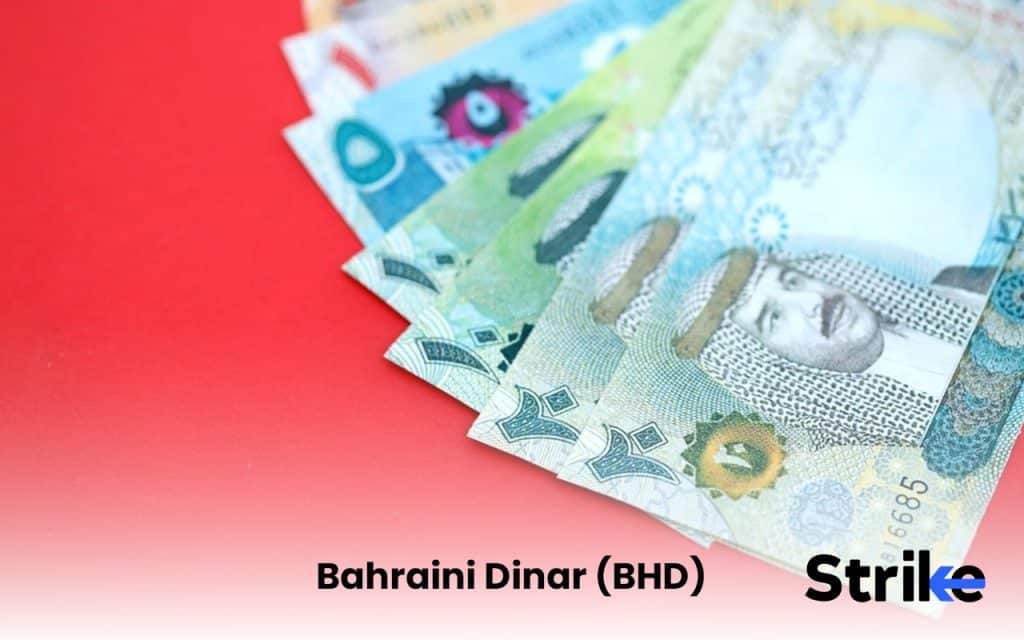
| Bahraini Dinar (BHD) Summery | |
|---|---|
| Currency Name | Bahraini Dinar |
| Currency Code | BHD |
| Symbol | .د.ب |
| Value Against USD (Approx) | 1 BHD ≈ 2.65 USD |
| Value Against INR (Approx) | 1 BHD ≈ 220 INR |
Why the Bahraini Dinar Is So Strong
- Fixed peg to the US Dollar, ensuring currency stability
- Strong financial services and banking sector
- High foreign reserves relative to economic size
- Consistent support from Gulf Cooperation Council (GCC) economies
Weaknesses of the Bahraini Dinar
- Economy is dependent on oil and gas revenues
- Fiscal balance sensitive to oil price volatility
- Limited domestic market due to small population size
- Long-term sustainability relies on continued economic reforms
The Bahraini Dinar is subdivided into 1,000 fils just like other Gulf currencies. The Bahraini Dinar has maintained its USD peg since 2001 without any major disruption. Despite its small geographic area, BHD continues to rank among the top-valued currencies globally.
3. Omani Rial (OMR)
The Omani Rial (OMR) is an official currency of the Sultanate of Oman. The Omani Rial (OMR) was introduced in 1970 by replacing the Rial Saidi as part of Oman’s economic modernization under Sultan Qaboos bin Said.The currency is issued and regulated by the Central Bank of Oman. The Dinar is fixed with USD at a stable rate, which plays a key role in maintaining long-term stability and investors confidence.
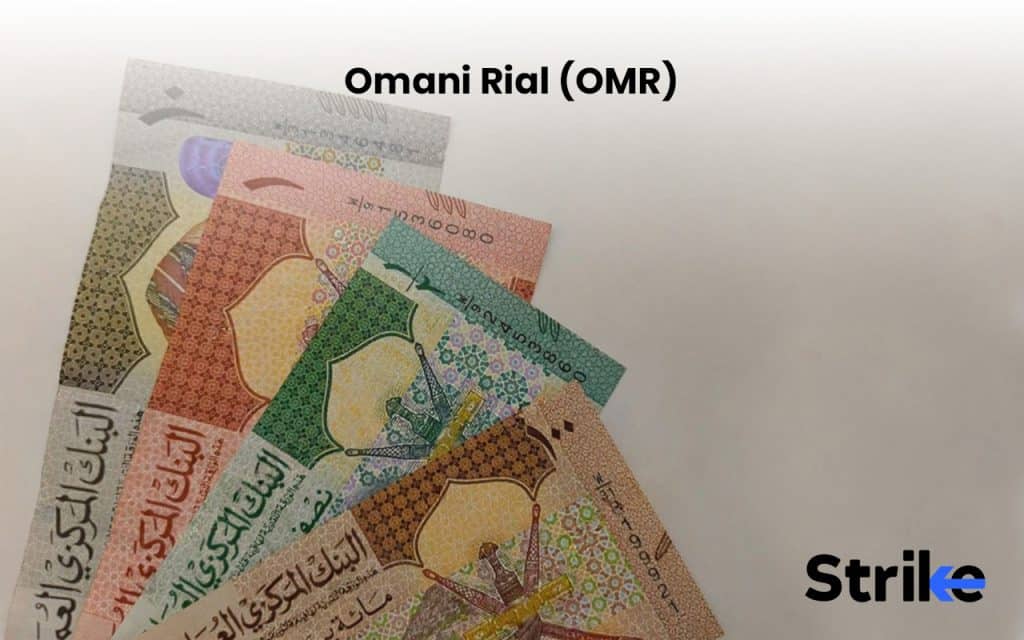
| Omani Rial (OMR) Summery | |
|---|---|
| Currency Name | Omani Rial |
| Currency Code | OMR |
| Symbol | ر.ع |
| Value Against USD (Approx) | 1 OMR ≈ 2.60 USD |
| Value Against INR (Approx) | 1 OMR ≈ 215 INR |
Why the Omani Rial Is So Strong
- Fixed peg to the US Dollar, ensuring exchange rate stability
- Strong support from oil and gas export revenues
- Conservative monetary policy by the Central Bank of Oman
- High foreign exchange reserves relative to population size
Weaknesses of the Omani Rial
- Heavy dependence on oil prices for economic stability
- Limited economic diversification beyond energy
- Sensitive to long-term global energy transition risks
- Smaller economy with limited global currency usage
Despite Oman’s modest economic size, the rial remains among the world’s strongest currencies by value, reflecting disciplined monetary management.
4. Jordanian Dinar (JOD)
The Jordanian Dinar (JOD) is the official currency of the Hashemite Kingdom of Jordan. Jordanian Dinar (JOD) was introduced in 1950 after replacing palestinian pound and establishment of the Central Bank of Jordan. The currency is issued and regulated by the Central Bank of Jordan. This currency is also pegged with USD helping maintain long-term monetary stability.
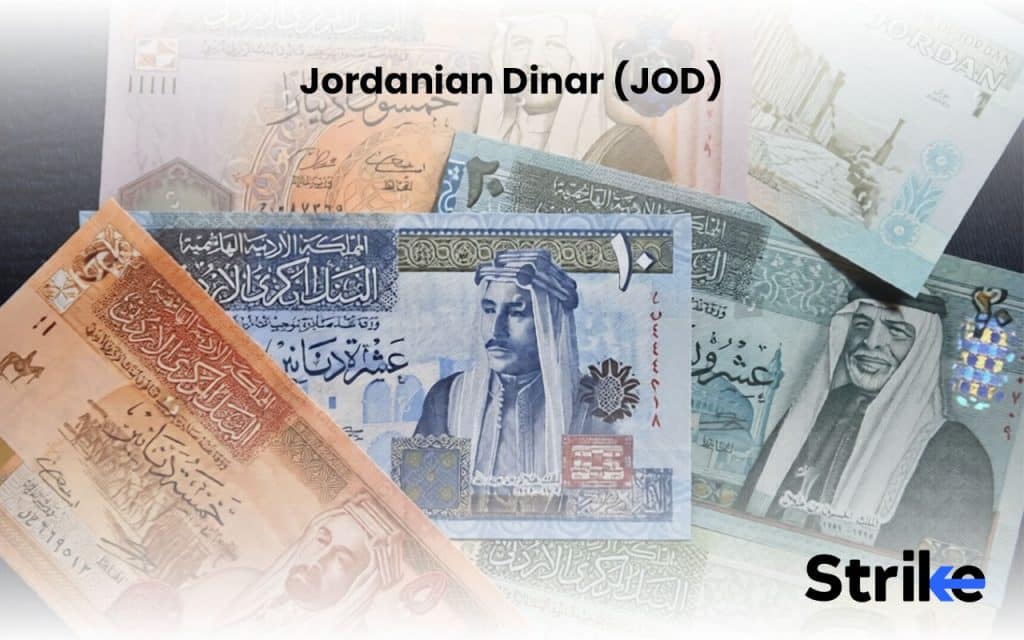
| Jordanian Dinar (JOD) Summery | |
|---|---|
| Currency Name | Jordanian Dinar |
| Currency Code | JOD |
| Symbol | د.ا |
| Value Against USD (Approx) | 1 JOD ≈ 1.41 USD |
| Value Against INR (Approx) | 1 JOD ≈ 117 INR |
Why the Jordanian Dinar Is So Strong
- Fixed peg to the US Dollar, ensuring exchange rate stability
- Strong foreign aid inflows and remittances
- Conservative monetary policy by the Central Bank of Jordan
- High confidence in the banking system
Weaknesses of the Jordanian Dinar
- Limited natural resources, especially energy
- High dependence on foreign aid and remittances
- Fiscal pressure due to public debt levels
- Exposure to regional geopolitical instability
The Jordanian Dinar is divided into 10 dirhams or 100 qirsh, unlike most global currencies. The dinar has maintained its USD peg since 1995 despite Jordan’s resource constraints, showcasing strong monetary discipline.
5. Gibraltar Pound (GIP)
The Gibraltar Pound (GIP) is the official currency of Gibraltar, which is the British Overseas Territory located at the southern end of Europe. It was introduced in 1927 by substituting the use of British pound sterling in local circulation. The currency is issued under the authority of the Government of Gibraltar and pegged to the British Pound (GBP) at par (1:1). This direct connection makes the Gibraltar pound stable to retain the same value as the UK pound.
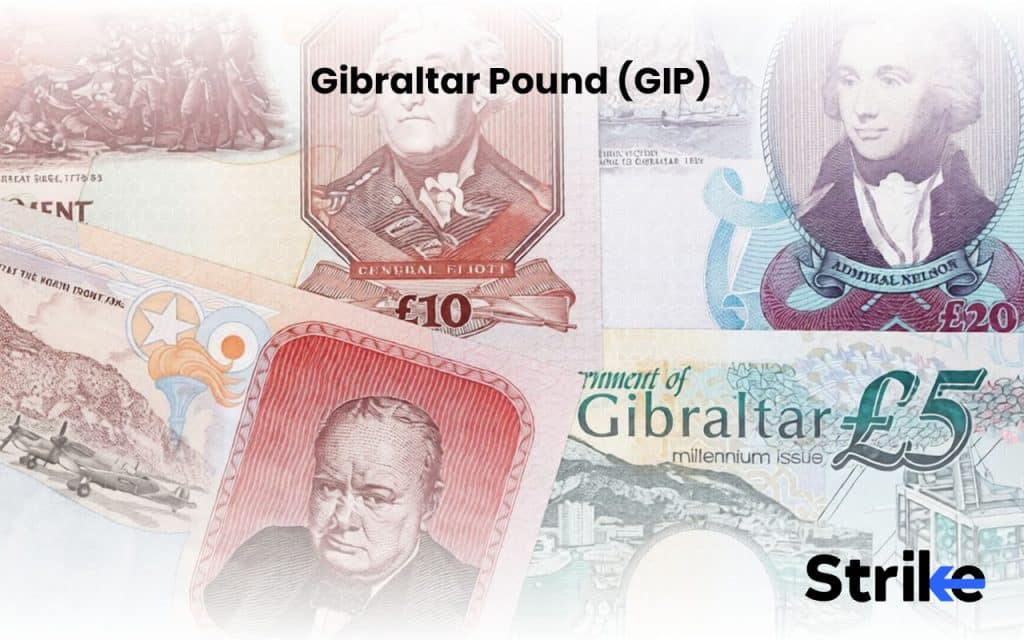
| Gibraltar Pound (GIP) Summery | |
|---|---|
| Currency Name | Gibraltar Pound |
| Currency Code | GIP |
| Symbol | £ |
| Value Against USD (Approx) | 1 GIP ≈ 1.25 USD |
| Value Against INR (Approx) | 1 GIP ≈ 105 INR |
Why the Gibraltar Pound Is So Strong
- Fully pegged 1:1 to the British Pound, ensuring stability
- Backed by the UK’s strong financial and legal framework
- Stable economy driven by financial services, tourism, and online gaming
- Strict currency issuance backed by reserve requirements
Weaknesses of the Gibraltar Pound
- Limited use outside Gibraltar
- Small economic base with high reliance on services
- Sensitive to UK economic performance and GBP movements
- Not legal tender in the UK despite parity with GBP
The Gibraltar Pound has the same value as the British Pound, but it is not accepted in everyday transactions in the UK.
6. Cayman Islands Dollar (KYD)
Cayman Islands Dollar (KYD) is the official currency of the Cayman Islands, an Overseas territory of the British and among the top offshore financial hubs in the world. Islands Dollar (KYD) was introduced in 1972, to replace the Jamaican Dollar, helping the islands gain increased financial autonomy. The currency issued and regulated by Cayman Islands Monetary Authority (CIMA) is pegged to the US Dollar which provides stability to currency.
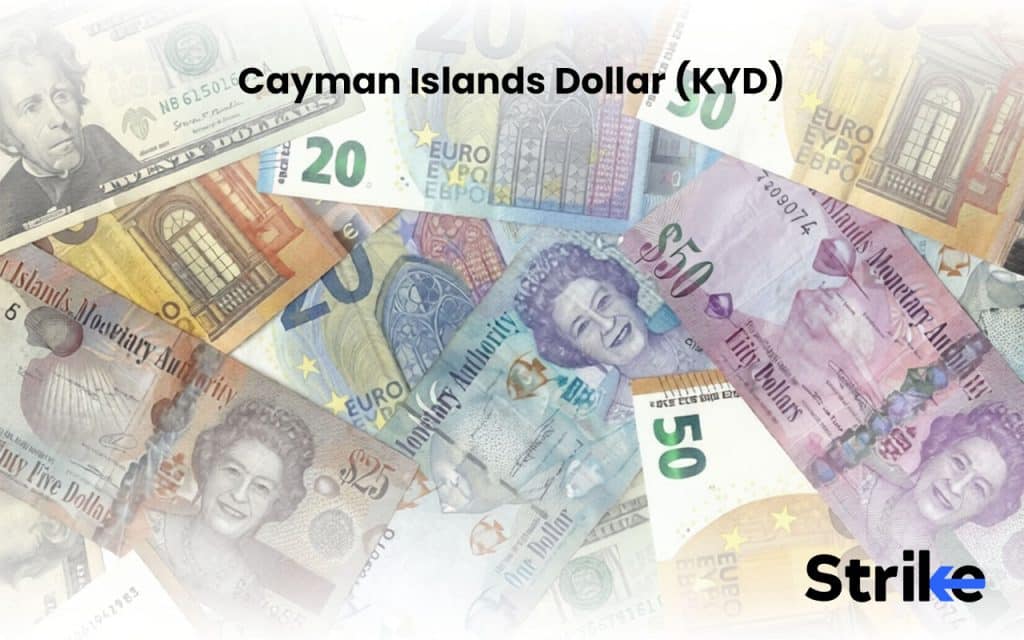
| Cayman Islands Dollar (KYD) Summery | |
|---|---|
| Currency Name | Cayman Islands Dollar |
| Currency Code | KYD |
| Symbol | $ |
| Value Against USD (Approx) | 1 KYD ≈ 1.20 USD |
| Value Against INR (Approx) | 1 KYD ≈ 100 INR |
Why the Cayman Islands Dollar Is So Strong
- Fixed peg to the US Dollar, ensuring exchange rate stability
- Strong offshore banking and financial services sector
- High foreign currency reserves relative to economic size
- Stable governance and strict financial regulations
Weaknesses of the Cayman Islands Dollar
- Economy heavily dependent on financial services and tourism
- Limited domestic production and economic diversification
- Vulnerable to changes in global financial regulations
- Small population and limited global currency circulation
The Cayman Islands Dollar is commonly used alongside the US Dollar, which is widely accepted across the islands and it is divided into 100 cents, unlike many high-value currencies.
7. British Pound Sterling (GBP)
The British Pound Sterling (GBP) is the official currency of the United Kingdom, which is one of the oldest known currencies still in use today. British Pound Sterling (GBP) history traced back to the period of 760 AD when silver pennies were first introduced in the Anglo-Saxon era. The pound was developed over the centuries in tandem with the growing trade, empire, and financial system of Britain. GBP is a post-modern pillar of the global money system, and it is being handed out and governed by the Bank of England, which was founded in 1694.
| British Pound Sterling (GBP) Summery | |
|---|---|
| Currency Name | British Pound Sterling |
| Currency Code | GBP |
| Symbol | £ |
| Value Against USD (Approx) | 1 GBP ≈ 1.25 USD |
| Value Against INR (Approx) | 1 GBP ≈ 105 INR |
Why the British Pound Is So Strong
- Backed by a large, diversified, and developed economy
- London is one of the world’s leading global financial centers
- High global trust due to strong legal and institutional framework
- Widely used in international trade, finance, and reserves
Weaknesses of the British Pound
- Sensitive to political and policy uncertainty, including Brexit impacts
- High exposure to global economic cycles
- Volatility during periods of inflation or interest rate shifts
- Large current account deficits at times
The symbol £ of GBP comes from the Latin word libra, meaning weight, reflecting its origins in silver. Despite the rise of the US Dollar and Euro, GBP remains one of the top reserve and trading currencies globally.
8. Swiss Franc (CHF)
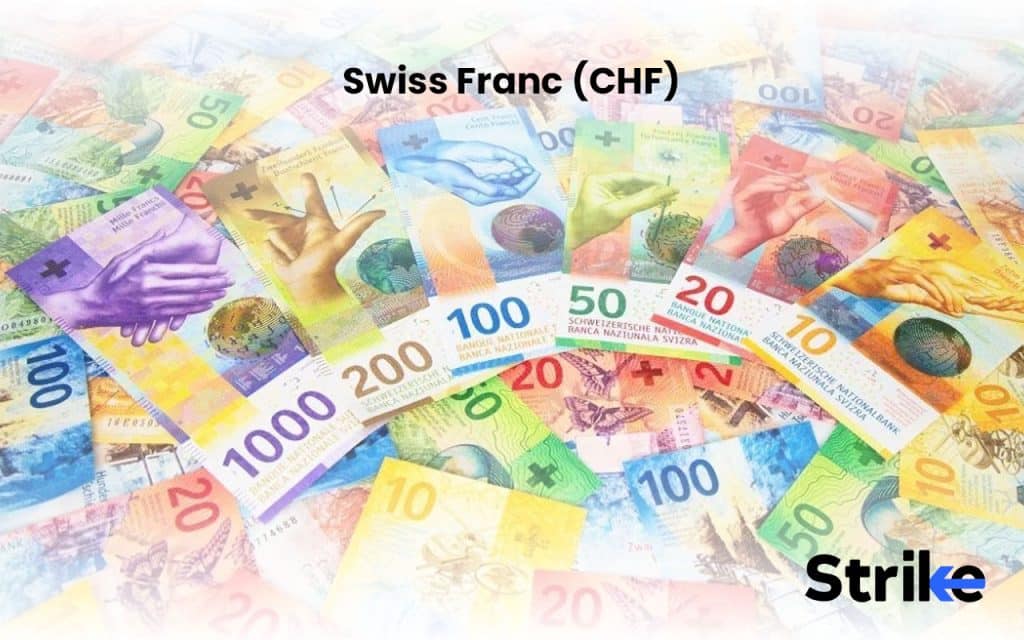
The Swiss Franc (CHF) is an official currency of Switzerland and Liechtenstein referred to as being one of the safest and most stable currencies in the world. The Swiss Franc (CHF) was introduced in 1850, to standardize the monetary system in Switzerland, and to replace a high number of local and foreign coins.This currency is issued and regulated by the Swiss National Bank (SNB) which has a longstanding tradition of price stability, financial discipline, and political neutrality.
| Swiss Franc (CHF) Summery | |
|---|---|
| Currency Name | Swiss Franc |
| Currency Code | CHF |
| Symbol | Fr / CHF |
| Value Against USD (Approx) | 1 CHF ≈ 1.10 USD |
| Value Against INR (Approx) | 1 CHF ≈ 92 INR |
Why the Swiss Franc Is So Strong
- Switzerland’s long-standing political neutrality and stability
- Strong banking system and financial regulations
- Low inflation and disciplined monetary policy by SNB
- Considered a global safe-haven currency during crises
Weaknesses of the Swiss Franc
- Excessive strength can hurt exports and tourism
- Frequent central bank interventions to control appreciation
- Highly sensitive to global risk sentiment
- Limited domestic market size
Switzerland’s banknotes are known for their security features and vertical design, where it plays a major role in global finance due to trust and stability.
9. Euro (EUR)
The Euro (EUR) is the official currency of the Eurozone which serves 20 countries of the European Union making it one of the most significant international currencies. It was introduced as an electronic transaction and financial markets introduction in 1999, and went into real-world circulation in 2002, superseding national currencies, including the Deutsche Mark, the French Franc, and the Italian Lira.
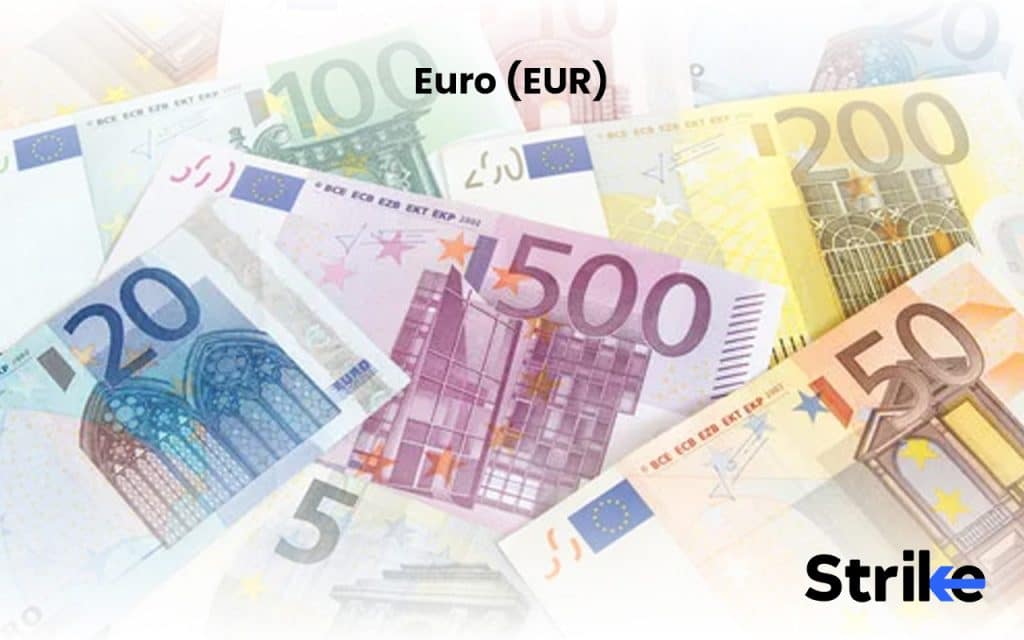
Euro was formed with the aim of enhancing economic integration, price stability as well as liberated trade in Europe. The European central bank (ECB) and other national central banks of member states issue and regulate it.
| Euro (EUR) Summary | |
|---|---|
| Currency Name | Euro |
| Currency Code | EUR |
| Symbol | € |
| Value Against USD (Approx) | 1 EUR ≈ 1.08 USD |
| Value Against INR (Approx) | 1 EUR ≈ 90 INR |
Why the Euro Is So Strong
- Backed by a large, diversified, multi-country economy
- Widely used in global trade and international reserves
- Strong institutional framework under the European Central Bank
- High liquidity and deep financial markets
Weaknesses of the Euro
- Single monetary policy for multiple diverse economies
- Debt issues in some member countries affect confidence
- Slower decision-making due to multi-country coordination
- Vulnerable to regional political and economic disagreements
The euro is the second most traded currency in the world after the US Dollar. Euro banknotes have a common design across all 20 countries of the Eurozone , but coins feature country-specific sides.
10. United States Dollar (USD)
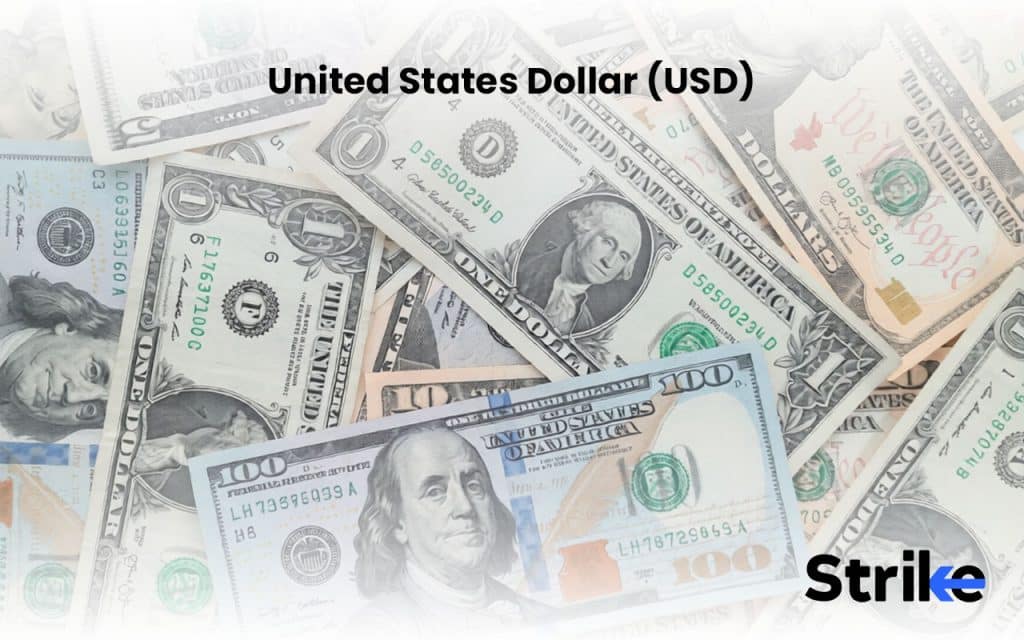
The United States Dollar (USD) is the official currency of the United States and the most dominant currency in the international financial system. The United States Dollar (USD) was established by the Coinage act of 1792, which created the US monetary system and introduced the dollar as the national currency.
The popularity of USD grew with time because of the magnitude of the US economy, the extent of international trade as well as the fact that it was the main reserve and settlement currency in the international market. USD is issued and regulated by the Federal Reserve System founded in 1913.
| United States Dollar (USD) Summary | |
|---|---|
| Currency Name | United States Dollar |
| Currency Code | USD |
| Symbol | $ |
| Value Against USD (Approx) | 1 USD = 1 USD |
| Value Against INR (Approx) | 1 USD ≈ 83 INR |
Why the US Dollar Is So Strong
- World’s primary reserve currency held by central banks
- Backed by the largest and most influential economy
- Dominates global trade, commodities, and financial markets
- Deep, liquid markets for US Treasury securities
Weaknesses of the US Dollar
- High government debt and fiscal deficits
- Sensitive to Federal Reserve policy changes
- Overuse in sanctions creates de-dollarization risks
- Inflation risk during prolonged monetary expansion
The US Dollar is used in over 80% of global trade transactions either directly or indirectly. USD is also used as a parallel currency in many countries.
11. Canadian Dollar (CAD)
Canadian Dollar (CAD) is the official currency of Canada and also commonly known as the Loonie. The Canadian Dollar (CAD) was introduced in 1858, replacing the Canadian Pound so that the monetary system in Canada would be closer to the US Dollar.
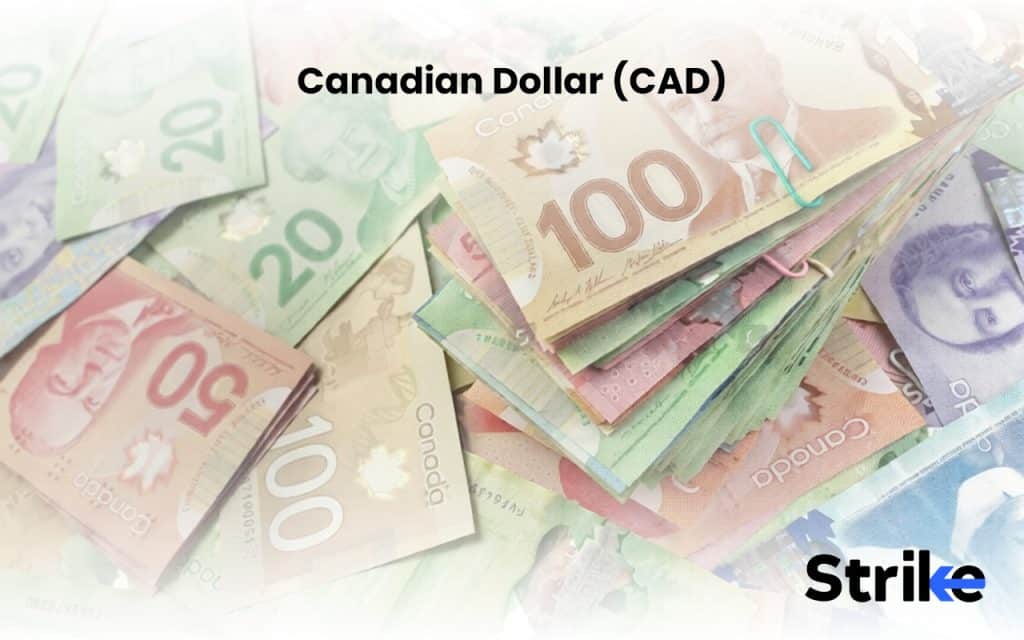
In the course of time, CAD became one of the significant international currencies due to the powerful institutions of Canada, rich economy, and stable banking system. This currency was issued and regulated by the Bank of Canada (BoC).
| Canadian Dollar (CAD) Summery | |
|---|---|
| Currency Name | Canadian Dollar |
| Currency Code | CAD |
| Symbol | $ |
| Value Against USD (Approx) | 1 CAD ≈ 0.74 USD |
| Value Against INR (Approx) | 1 CAD ≈ 61 INR |
Why the Canadian Dollar Is So Strong
- Backed by a stable and well-regulated banking system
- Supported by abundant natural resources like oil, metals, and timber
- Strong trade ties with the United States
- High global trust due to sound fiscal and monetary policies
Weaknesses of the Canadian Dollar
- Highly sensitive to commodity price movements, especially oil
- Dependent on US economic performance
- Currency volatility during global risk-off periods
- Export-driven economy exposed to trade disruptions
The Canadian Dollar gets its nickname “Loonie” from the loon bird featured on the $1 coin. CAD is also considered a commodity currency, because it often moves in line with oil prices.
12. Bruneian Dollar (BND)
Brunei Darussalam (BND) is the official currency of Brunei, called the Bruneian Dollar (BND) with an extremely high stability, as well as high exchange value. It was introduced in 1967 and it was to substitute the Malaya and British Borneo Dollar.
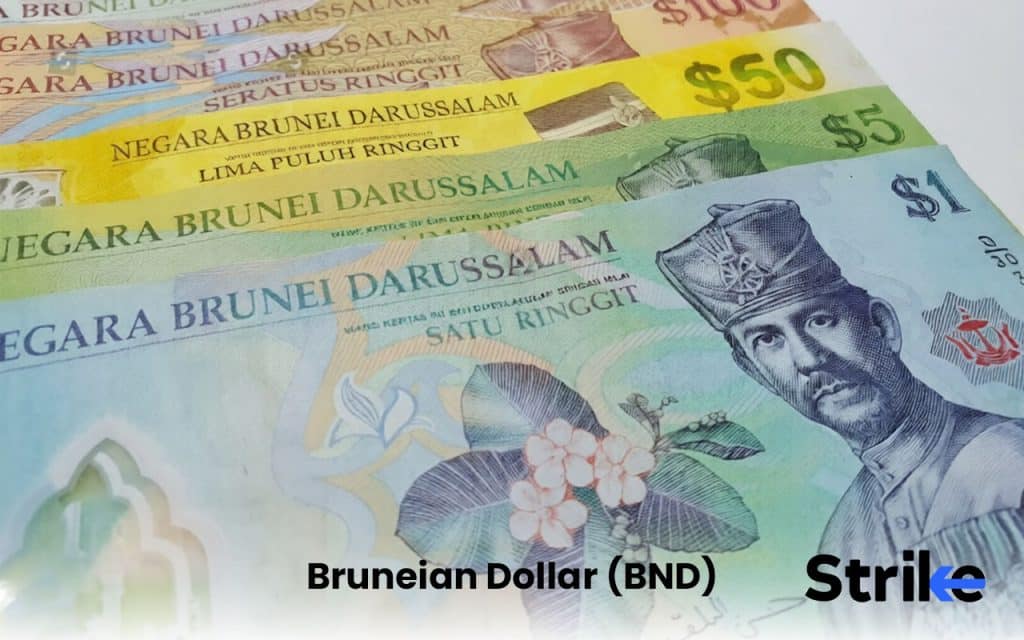
This currency is issued and controlled by Autoriti Monetari Brunei Darussalam (AMBD). The Bruneian Dollar has a special characteristic of being interchangeable with the Singapore Dollar (SGD) under the Currency Interchangeability Agreement.
| Bruneian Dollar (BND) Summery | |
|---|---|
| Currency Name | Bruneian Dollar |
| Currency Code | BND |
| Symbol | $ |
| Value Against USD (Approx) | 1 BND ≈ 0.74 USD |
| Value Against INR (Approx) | 1 BND ≈ 61 INR |
Why the Bruneian Dollar Is So Strong
- Fully interchangeable 1:1 with the Singapore Dollar
- Backed by large oil and gas reserves
- Strong foreign exchange reserves and low public debt
- Conservative monetary management by AMBD
Weaknesses of the Bruneian Dollar
- Heavy dependence on oil and gas revenues
- Limited economic diversification
- Small domestic market and population
- Low global circulation outside Brunei and Singapore
The Bruneian Dollar can be freely used in Singapore, and the Singapore Dollar is accepted in Brunei at the same value. Brunei’s high per capita income and low debt levels help support currency strength.
13. Singapore Dollar (SGD)
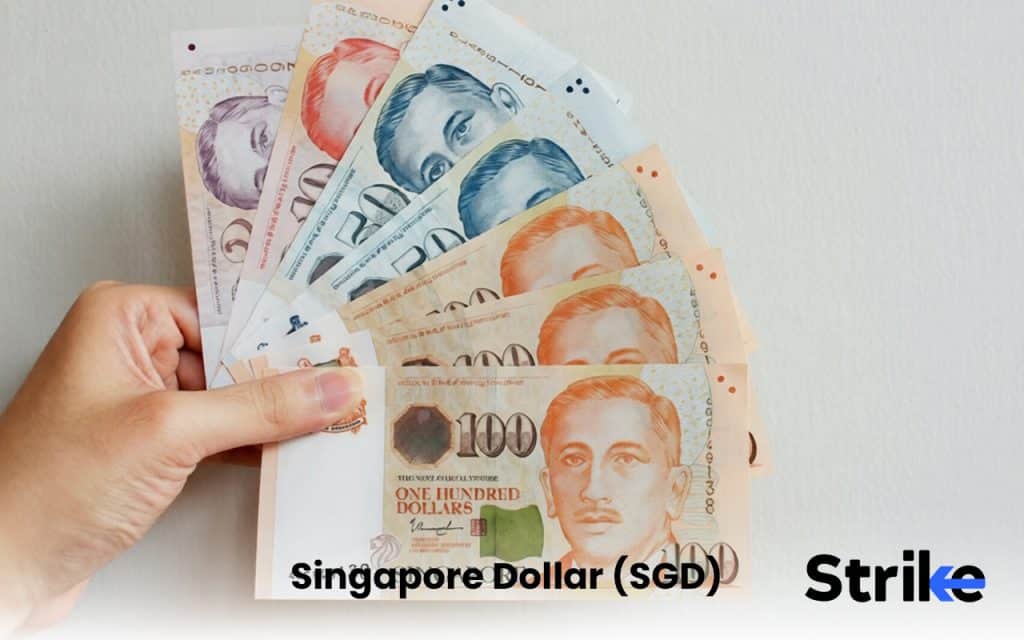
Singapore Dollar (SGD) is the official currency of Singapore and considered to be among the most stable and well-managed currencies of Asia. It was introduced in 1967, after the separation of Singapore with Malaysia, in order to make it completely monetarily independent.
The currency is issued and regulated by the Monetary Authority of Singapore (MAS), which has a distinct monetary policy that relies on exchange rates instead of interest rates as a tool to stabilize prices and economic competitiveness.
| Singapore Dollar (SGD) Summery | |
|---|---|
| Currency Name | Singapore Dollar |
| Currency Code | SGD |
| Symbol | $ |
| Value Against USD (Approx) | 1 SGD ≈ 0.74 USD |
| Value Against INR (Approx) | 1 SGD ≈ 61 INR |
Why the Singapore Dollar Is So Strong
- Managed through a controlled exchange-rate policy by MAS
- Backed by a highly diversified, export- and services-driven economy
- Strong foreign reserves and persistent current account surplus
- High global trust due to transparent governance and regulation
Weaknesses of the Singapore Dollar
- Sensitive to global trade cycles
- Heavily exposed to external economic shocks
- Limited domestic market size
- Strength can reduce export competitiveness during global slowdowns
The Singapore Dollar is interchangeable at par with the Bruneian Dollar, a rare currency arrangement in the world. Singapore does not use interest rates as its main policy tool, relying instead on exchange-rate management.
14. Australian Dollar (AUD)
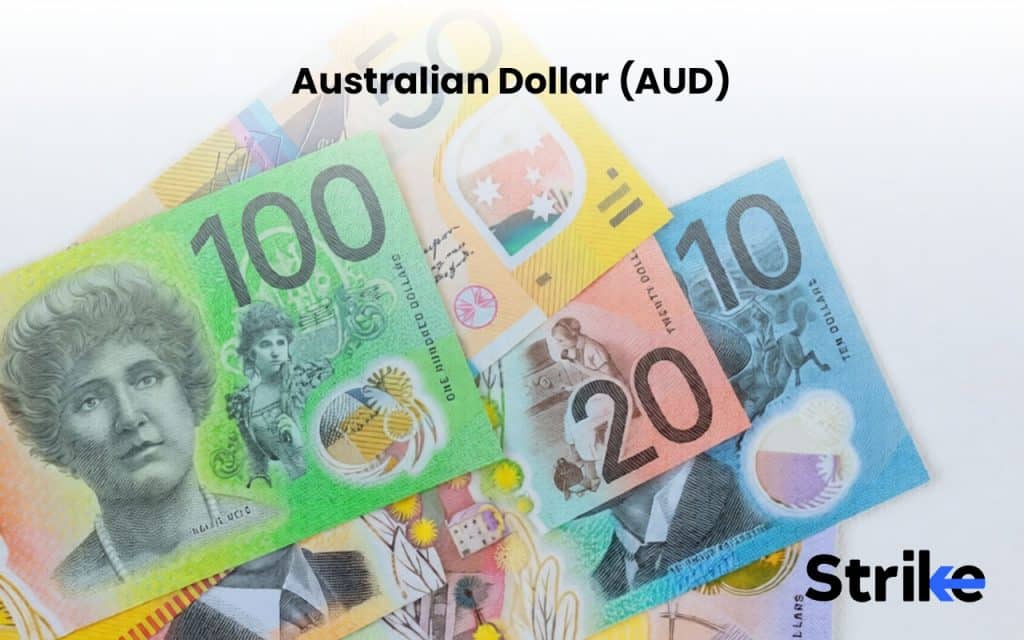
Australian Dollar (AUD) is the official currency of Australia and also among the most traded currencies across the world particularly in the Asia-Pacific region. It was introduced in 1966 to replace the Australian Pound as part of Australia’s shift to a decimal currency system.
The AUD is directly emitted and controlled by the Reserve Bank of Australia (RBA) and is referred to as very liquid, transparent monetary policy, and is very connected with the global commodity markets.
| Australian Dollar (AUD) Summery | |
|---|---|
| Currency Name | Australian Dollar |
| Currency Code | AUD |
| Symbol | $ |
| Value Against USD (Approx) | 1 AUD ≈ 0.66 USD |
| Value Against INR (Approx) | 1 AUD ≈ 55 INR |
Why the Australian Dollar Is So Strong
- Backed by a resource-rich economy (iron ore, coal, gold)
- Highly liquid and widely traded in global FX markets
- Strong, independent central bank (RBA)
- Close trade links with China and Asia-Pacific economies
Weaknesses of the Australian Dollar
- Highly sensitive to commodity price cycles
- Dependent on global demand, especially from China
- Volatile during global risk-off environments
- Export concentration increases economic sensitivity
The Australian Dollar was one of the first currencies to adopt polymer banknotes, improving durability and security. AUD is often considered a proxy for global growth and commodity demand. Despite its volatility, it remains a favorite among traders due to high liquidity and transparency.
15. New Zealand Dollar (NZD)
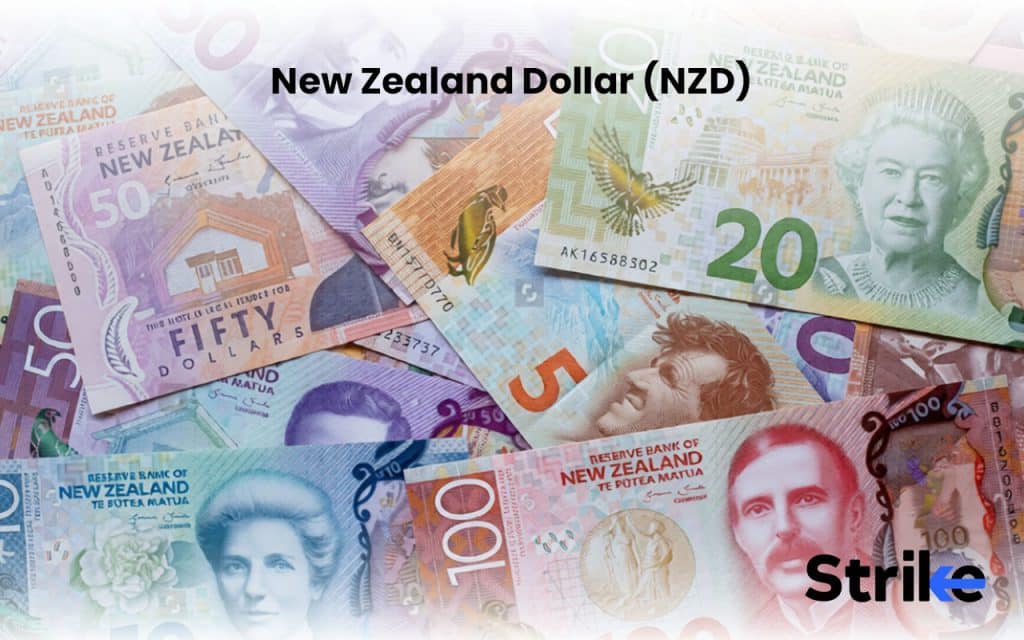
The New Zealand Dollar (NZD) also known as Kiwi is an official currency of New Zealand. New Zealand Dollar (NZD) was introduced in 1967, replacing the New Zealand Pound as part of the country’s move to a decimal currency system. NZD is issued and regulated by the central bank of New Zealand (RBNZ) which is one of the earliest central banks to officially embrace inflation targeting as a monetary policy scheme.
| New Zealand Dollar (NZD) Summery | |
| Currency Name | New Zealand Dollar |
| Currency Code | NZD |
| Symbol | $ |
| Value Against USD (Approx) | 1 NZD ≈ 0.61 USD |
| Value Against INR (Approx) | 1 NZD ≈ 51 INR |
Why the New Zealand Dollar Is So Strong
- Supported by a stable and transparent financial system
- Strong exports of agriculture and dairy products
- Credible monetary policy by the Reserve Bank of New Zealand
- High investor confidence due to political and economic stability
Weaknesses of the New Zealand Dollar
- Highly sensitive to global commodity and dairy prices
- Small economy with limited diversification
- Vulnerable to global risk sentiment shifts
- Dependent on trade and tourism flows
The NZD got its nickname the “Kiwi” after the country’s national bird. New Zealand was a pioneer in inflation targeting, influencing central banks worldwide. Despite its small economy, NZD remains a popular trading currency due to transparency and market accessibility.
16. Bulgarian Lev (BGN)
The Bulgarian Lev (BGN) is the official currency of Bulgaria. It was introduced in 1881 after Bulgaria gained independence from the Ottoman Empire. In 1999 Bulgaria pegged the value of the lev to the German Deutsche Mark to maintain the stability, later it was pegged to euro which assisted in managing inflation and increased confidence in the currency. It is issued and regulated by the Bulgarian National Bank and remains firmly anchored to the euro.
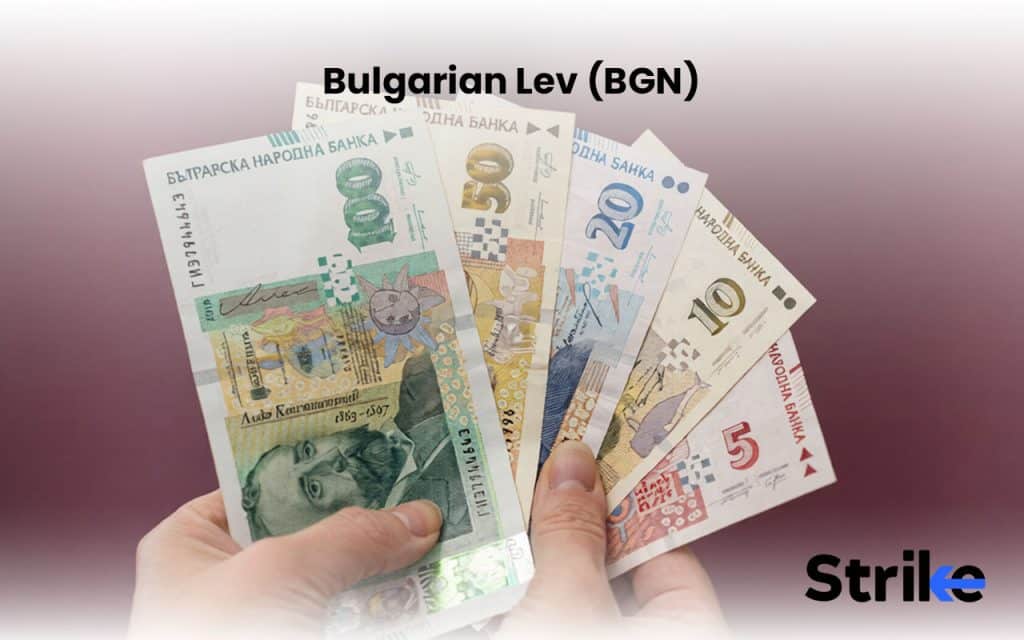
| Bulgarian Lev (BGN) Summery | |
| Currency Name | Bulgarian Lev |
| Currency Code | BGN |
| Symbol | лв |
| Value Against USD (Approx) | 1 BGN ≈ 0.56 USD |
| Value Against INR (Approx) | 1 BGN ≈ 47 INR |
Why the Bulgarian Lev Is So Strong
- Pegged to the Euro, ensuring exchange rate stability
- Operates under a strict currency board system
- Strong fiscal discipline and low inflation framework
- Clear path toward Eurozone adoption
Weaknesses of the Bulgarian Lev
- Limited monetary policy flexibility due to currency board
- Economic performance closely tied to the Eurozone
- Smaller economy with lower global currency usage
- Vulnerable to external European economic shocks
The word “lev” in Bulgarian Lev means lion which is a national symbol of Bulgaria. The lev has been pegged to the euro at a fixed rate since 1999, making it Europe’s most stable currency. If Bulgaria adopts the euro, the lev will be fully replaced, ending its long independent history.
17. Fijian Dollar (FJD)
The Fijian Dollar (FJD) is the official currency of Fiji which plays an important role in the country’s tourism-driven economy. This currency was introduced in 1969 and replaced the FIji pound as Fiji moved to a decimal currency system. The currency is issued and regulated by the Reserve Bank of Fiji.
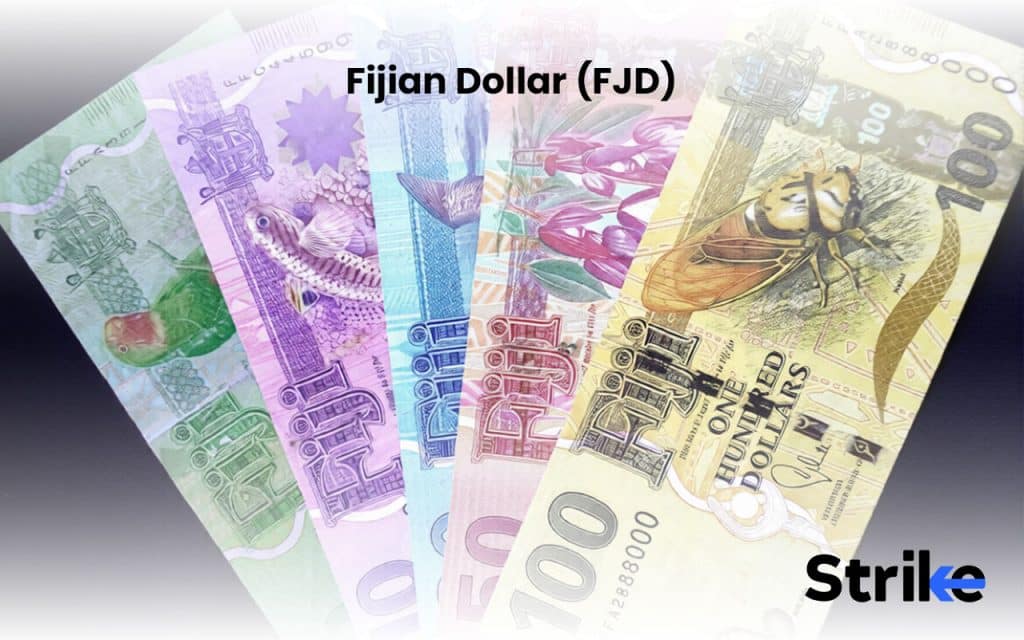
| Fijian Dollar (FJD) Summery | |
| Currency Name | Fijian Dollar |
| Currency Code | FJD |
| Symbol | $ |
| Value Against USD (Approx) | 1 FJD ≈ 0.44 USD |
| Value Against INR (Approx) | 1 FJD ≈ 37 INR |
Why the Fijian Dollar Is So Strong
- Managed against a basket of major currencies
- Strong support from tourism and remittance inflows
- Central bank control helps reduce extreme volatility
- Stable domestic banking system
Weaknesses of the Fijian Dollar
- Heavy dependence on tourism revenue
- Vulnerable to natural disasters and climate risks
- Small, import-dependent economy
- Limited global currency usage
The Fijian Dollar features local wildlife, cultural symbols, and landscapes on its banknotes. Fiji adopted polymer banknotes to improve durability in tropical conditions.
18. Israeli New Shekel (ILS)
The Israeli New Shekel (ILS) is the official currency of Israel and is considered one of the most stable currencies in the Middle East. The Israeli New Shekel (ILS) was introduced in 1985 to replace the old shekel as part of an economic stabilization program to control hyperinflation. This currency is issued and regulated by the Bank of Israel.
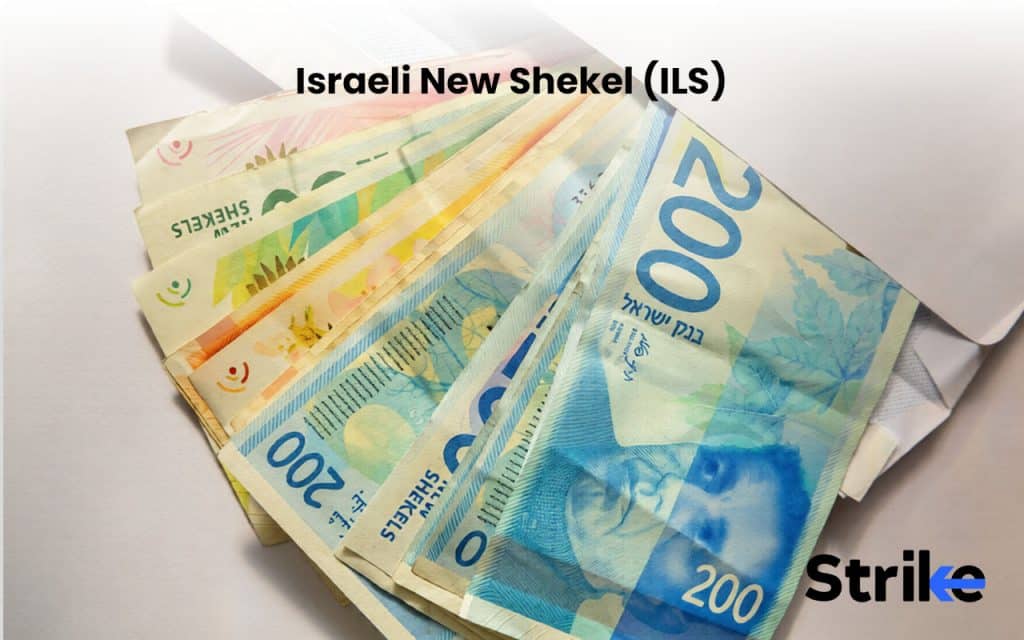
| Israeli New Shekel (ILS) Summery | |
| Currency Name | Israeli New Shekel |
| Currency Code | ILS |
| Symbol | ₪ |
| Value Against USD (Approx) | 1 ILS ≈ 0.27 USD |
| Value Against INR (Approx) | 1 ILS ≈ 22 INR |
Why the Israeli New Shekel Is So Strong
- Backed by a diversified, innovation-driven economy
- Strong technology and startup ecosystem
- Credible and independent Bank of Israel
- Consistent current account surplus
Weaknesses of the Israeli New Shekel
- Sensitive to geopolitical tensions
- Currency volatility during regional conflicts
- Export competitiveness affected by a strong shekel
- Dependent on global tech sector performance
The Israel currency shekel is named after an ancient unit of weight used in biblical times. Israel, after successfully reducing hyperinflation in the 1980s, made the new shekel a symbol of economic reform.
19. Hong Kong Dollar (HKD)
Hong Kong dollar (HKD) is the official unit of Hong Kong. It was launched in the year 1863, and is considered as one of the oldest modern currencies in Asia. Hong Kong has had a Linked Exchange rate system since 1983, according to which HKD is pegged to the US dollar. Monitoring of the currency is regulated by the Hong Kong Monetary Authority (HKMA).
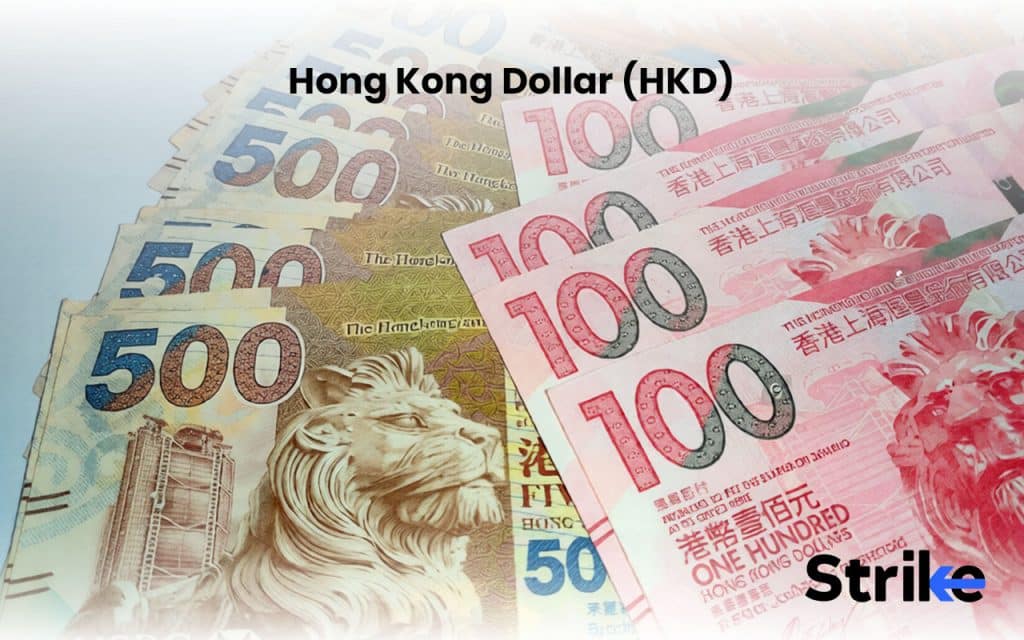
| Hong Kong Dollar (HKD) Summery | |
| Currency Name | Hong Kong Dollar |
| Currency Code | HKD |
| Symbol | $ |
| Value Against USD (Approx) | 1 HKD ≈ 0.13 USD |
| Value Against INR (Approx) | 1 HKD ≈ 11 INR |
Why the Hong Kong Dollar Is So Strong
- Pegged to the US Dollar, ensuring exchange rate stability
- Strong backing from large foreign exchange reserves
- Hong Kong’s role as a global financial and trading hub
- Strict currency board–style monetary system
Weaknesses of the Hong Kong Dollar
- No independent monetary policy due to USD peg
- Highly sensitive to US interest rate changes
- Property market cycles strongly impact the economy
- Exposure to geopolitical and regional uncertainties
The Hong Kong Dollar (HKD) has maintained its USD peg since 1983, even during the major economic crises. HKD banknotes are issued by three commercial banks instead of just one central bank, a rare system globally.
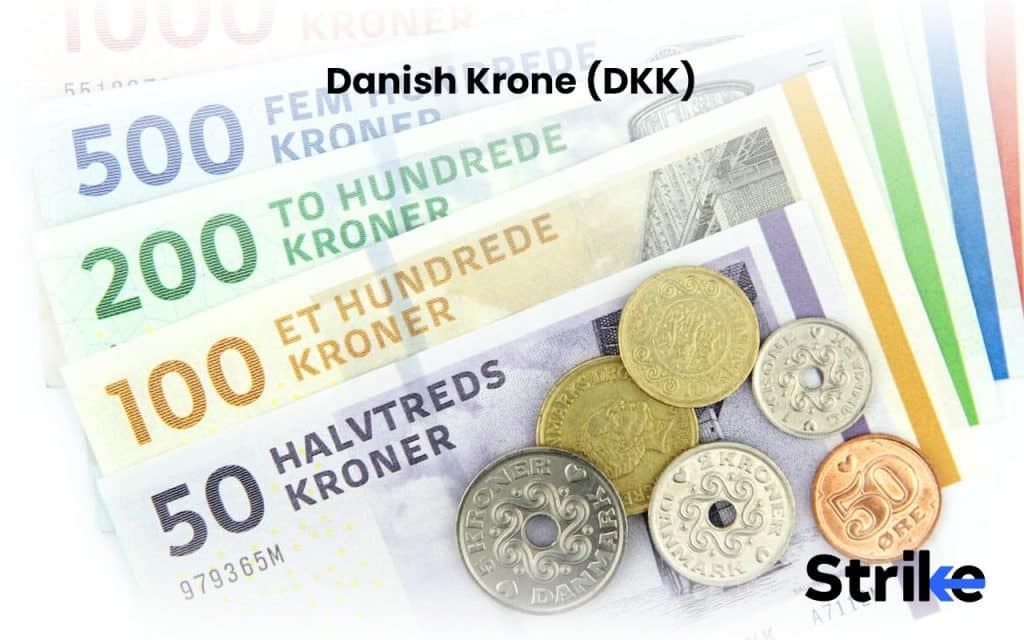
20. Danish Krone (DKK)
The Danish Krone (DKK) is the official currency of Denmark known for its strong monetary discipline. It was introduced in 1875 by replacing Rigsdaler after Denmark joined the Scandinavian Monetary Union. Despite being a member of the European Union, Denmark chose to retain the krone instead of euro. This currency is issued and regulated by Danmarks National bank. The Danish Krone is pegged to the euro under the ERM II system.
| Danish Krone (DKK) Summery | |
| Currency Name | Danish Krone |
| Currency Code | DKK |
| Symbol | kr |
| Value Against USD (Approx) | 1 DKK ≈ 0.15 USD |
| Value Against INR (Approx) | 1 DKK ≈ 12 INR |
Why the Danish Krone Is So Strong
- Closely pegged to the euro, ensuring exchange rate stability
- Strong fiscal discipline and low government debt
- Highly credible and independent central bank
- Stable, high-income economy
Weaknesses of the Danish Krone
- Limited monetary policy independence due to euro peg
- Highly linked to Eurozone economic conditions
- Small domestic market size
- Eventually may be replaced if Denmark adopts the euro
Denmark has voted twice to use its own currency “Krone” instead of euro while still maintaining euro stability. The krone moves within a very narrow trading range against the euro.
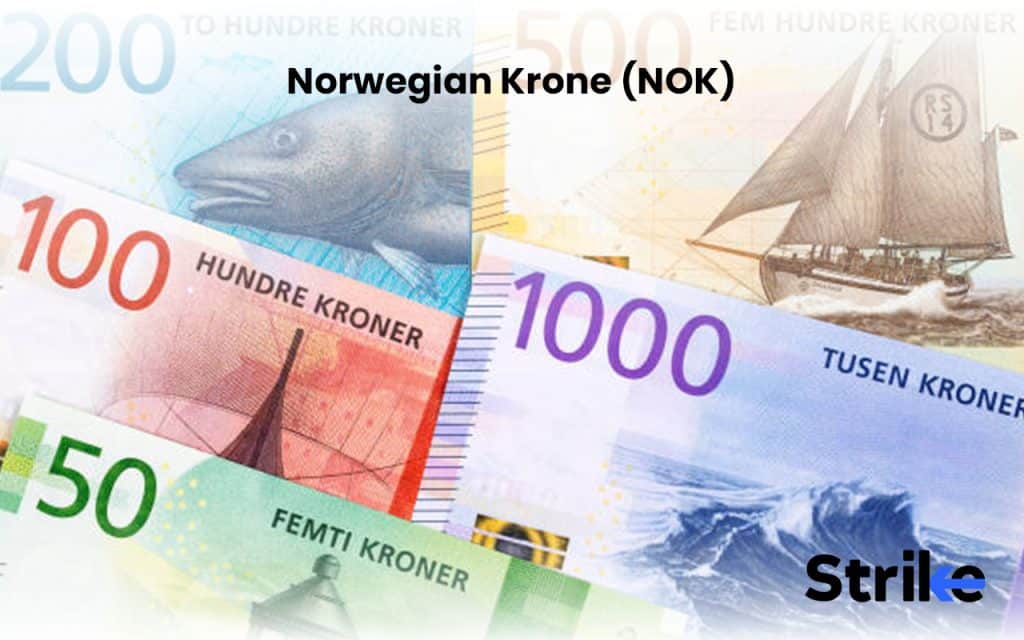
21. Norwegian Krone (NOK)
The Norwegian Krone (NOK) is the official currency of Norway which is backed by the country’s energy-rich and high-income economy. The Norwegian Krone (NOK) was introduced in 1875 after Norway joined the Scandinavian Monetary Union. It is issued and regulated by Norges Bank. Unlike many European currencies, the Norwegian Krone is free-floating, allowing it to move based on market forces.
| Norwegian Krone (NOK) Summery | |
| Currency Name | Norwegian Krone |
| Currency Code | NOK |
| Symbol | kr |
| Value Against USD (Approx) | 1 NOK ≈ 0.094 USD |
| Value Against INR (Approx) | 1 NOK ≈ 7.8 INR |
Why the Norwegian Krone Is So Strong
- Backed by large oil and gas reserves
- Supported by Norway’s sovereign wealth fund, one of the largest globally
- Strong fiscal discipline and low public debt
- High trust in institutions and transparent governance
Weaknesses of the Norwegian Krone
- Highly sensitive to oil price fluctuations
- Volatile during global risk-off periods
- Small, open economy exposed to external shocks
- Limited global reserve currency status
Norway saves most of its oil income into its massive Government Pension Fund Global which helps stabilize the economy. Despite Norway’s wealth, the krone can be quite volatile due to its free-floating nature. NOK reflects commodity cycles more than many European currencies.
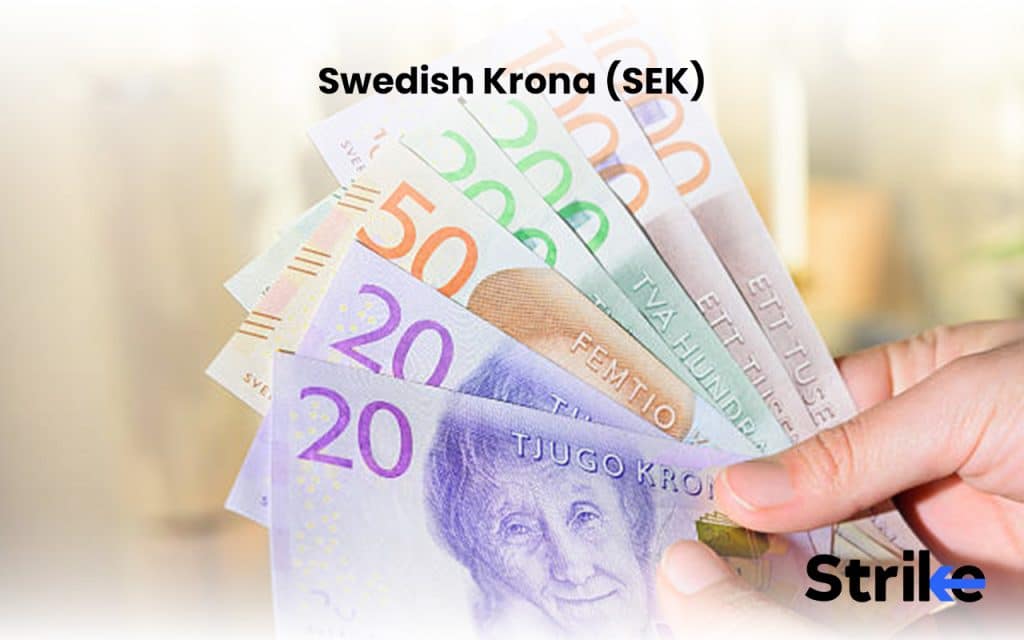
22. Swedish Krona (SEK)
The Swedish Krona (SEK) is the official currency of Sweden backed by a stable, innovative, and export-driven economy. The Swedish Krona (SEK) was introduced in 1873 after joining the Scandinavian Monetary Union to replace riksdaler. Although Sweden is a member of the European Union, it chose to retain the krona instead of adopting the euro. This currency is issued and regulated by Sveriges Riksbank, the world’s oldest central bank which was founded in 1668.
| Swedish Krona (SEK) Summery | |
| Currency Name | Swedish Krona |
| Currency Code | SEK |
| Symbol | kr |
| Value Against USD (Approx) | 1 SEK ≈ 0.095 USD |
| Value Against INR (Approx) | 1 SEK ≈ 7.9 INR |
Why the Swedish Krona Is So Strong
- Backed by a diversified, export-oriented economy
- Strong institutions and credible central bank policy
- High levels of innovation and productivity
- Flexible, free-floating exchange rate
Weaknesses of the Swedish Krona
- Sensitive to global economic cycles
- Volatile during periods of risk aversion
- Small open economy exposed to external shocks
- Ongoing debate about euro adoption
Sweden is one of the most cashless societies in the world, where daily transactions are dominated by digital payments. Despite not using the euro, SEK remains an important Nordic trading currency.
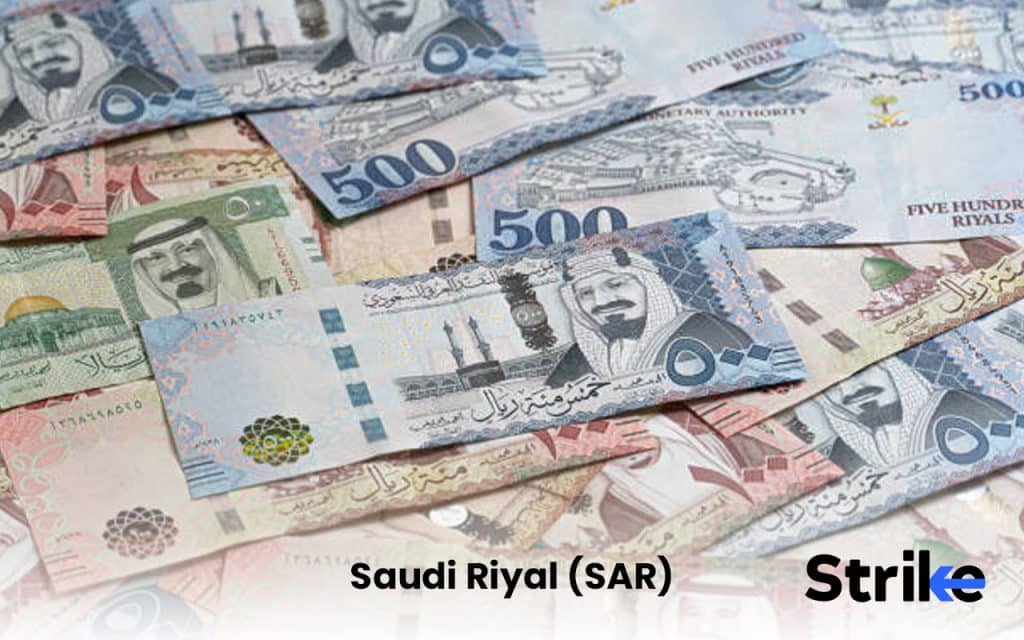
23. Saudi Riyal (SAR)
The Saudi Riyal (SAR) is the official currency of the Kingdom of Saudi Arabia, known for its stability due to its peg to UD Doller. It was introduced in 1925, and later restructured under modern monetary reforms. The Saudi Central Bank (SAMA) issues and controls this currency and has had an unchanged exchange rate with the US Dollar since 1986, which fosters confidence in trade, oil prices, and foreign investments.
| Saudi Riyal (SAR) Summery | |
| Currency Name | Saudi Riyal |
| Currency Code | SAR |
| Symbol | ر.س |
| Value Against USD (Approx) | 1 SAR ≈ 0.27 USD |
| Value Against INR (Approx) | 1 SAR ≈ 22 INR |
Why the Saudi Riyal Is So Strong
- Firmly pegged to the US Dollar, ensuring exchange rate stability
- Backed by vast oil reserves and export revenues
- Large foreign exchange reserves held by SAMA
- Strong confidence from global energy and trade markets
Weaknesses of the Saudi Riyal
- Heavy dependence on oil prices
- Limited monetary policy flexibility due to USD peg
- Fiscal pressure during prolonged low oil price periods
- Economy still transitioning toward diversification
The Saudi Riyal is one of the most stable currencies in the Middle East due to its decades-long USD peg. Oil exports are priced globally in US Dollars, which strengthens the importance of the riyal’s fixed rate. Despite economic reforms under Vision 2030, the riyal’s exchange rate has remained unchanged for nearly four decades.
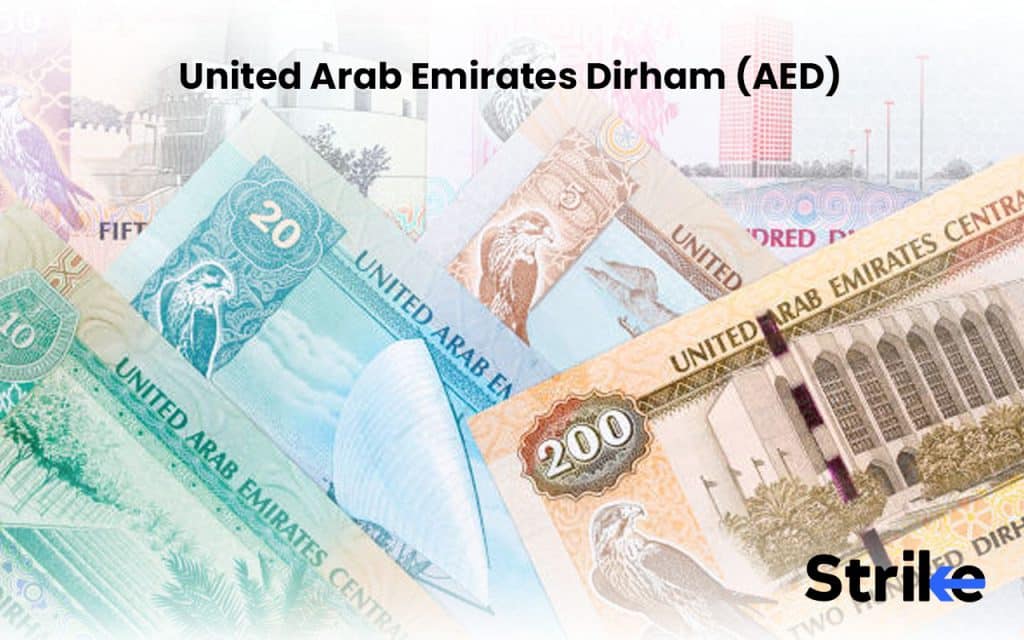
24. United Arab Emirates Dirham (AED)
The United Arab Emirates (AED) is also the official currency of the United Arab Emirates and it has high stability and reliability. It wasintroduced in 1973, and it substituted the Qatar and Dubai Riyal following the creation of the UAE. The currency is issued andcontrolled by the Central Bank of the UAE, and it has been pegged against the US Dollar since 1997 and this has seen the currency maintain consistent exchange rates and investor confidence.
| United Arab Emirates Dirham (AED) Summery | |
| Currency Name | United Arab Emirates Dirham |
| Currency Code | AED |
| Symbol | د.إ |
| Value Against USD (Approx) | 1 AED ≈ 0.27 USD |
| Value Against INR (Approx) | 1 AED ≈ 22.6 INR |
Why the UAE Dirham Is So Strong
- Fixed peg to the US Dollar, ensuring stability
- Strong support from oil revenues and trade flows
- Large foreign exchange reserves
- UAE’s role as a global trade, tourism, and financial hub
Weaknesses of the UAE Dirham
- Dependence on oil and global trade cycles
- Limited monetary policy flexibility due to USD peg
- Sensitive to US interest rate changes
- Long-term diversification still in progress
Unlike other Gulf Countries, the UAE dirham stability is not only backed by oil, but also with tourism, logistics, and finance. AED is one of the most widely used currencies in the Gulf region.
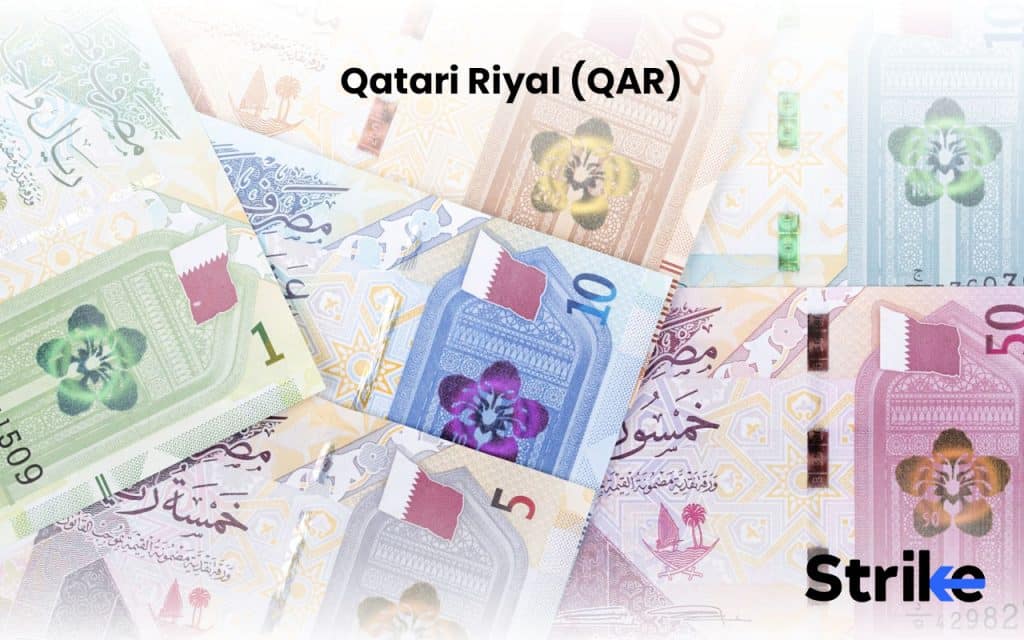
25. Qatari Riyal (QAR)
Qatari Riyal (QAR) is the official currency of the State of Qatar and is said to be highly stable with the immense energy resources. In 1973, it was implemented as a replacement of the Qatar and Dubai Riyal following the acquisition of full independence by Qatar.
It is issued and managed by the Qatar Central Bank and pegged to the US Dollar since 2001 that has aided in the stability of the exchange rates and investor trust.
| Qatari Riyal (QAR) Summery | |
|---|---|
| Currency Name | Qatari Riyal |
| Currency Code | QAR |
| Symbol | ر.ق |
| Value Against USD (Approx) | 1 QAR ≈ 0.27 USD |
| Value Against INR (Approx) | 1 QAR ≈ 22.6 INR |
Why the Qatari Riyal Is So Strong
- Firmly pegged to the US Dollar, ensuring currency stability
- Backed by massive natural gas and LNG export revenues
- Large foreign exchange reserves and sovereign wealth fund
- Strong fiscal position with low public debt
Weaknesses of the Qatari Riyal
- Heavy dependence on energy exports
- Limited monetary policy flexibility due to USD peg
- Sensitive to global energy price cycles
- Small domestic economy
Qatari Riyal stability is strongly supported by liquefied natural gas (LNG) exporters and maintained peg with USD. Despite limited global use, QAR remains one of the most stable Gulf currencies.
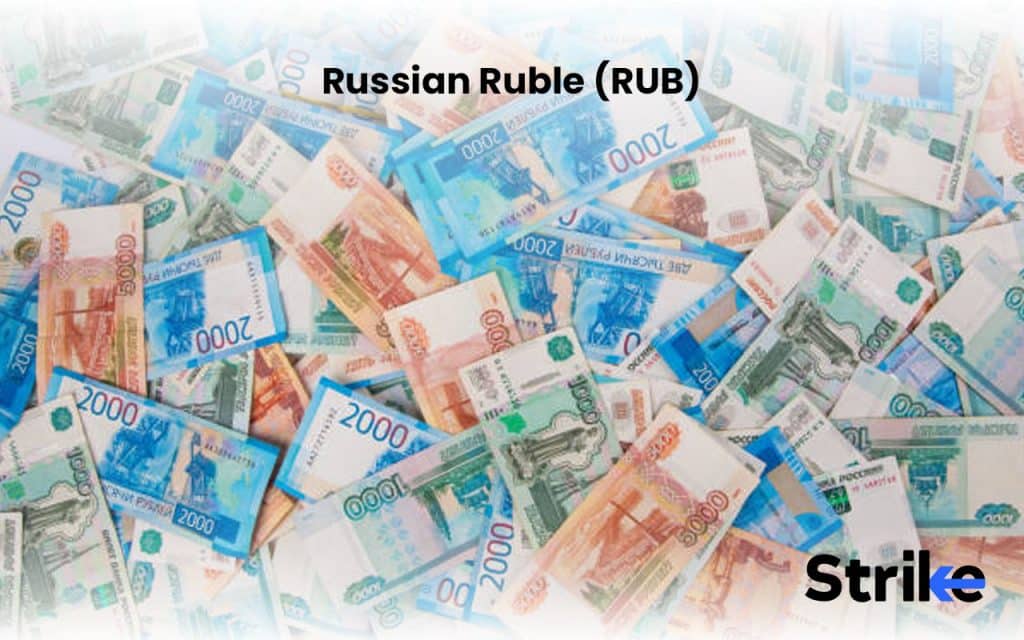
26. Russian Ruble (RUB)
The Russian Ruble (RUB) is the national currency of the Russian Federation and one among the oldest national currencies that continues to be used with its history dating back to the 13th century.
In 1998, the currency was redenominated to a new modern ruble that eliminated three zeroes in order to stabilize the economy after the post-Soviet financial crisis. The Central Bank of Russia issues and regulates the currency which works on a managed floating exchange rate system.
| Russian Ruble (RUB) Summery | |
| Currency Name | Russian Ruble |
| Currency Code | RUB |
| Symbol | ₽ |
| Value Against USD (Approx) | 1 RUB ≈ 0.011 USD |
| Value Against INR (Approx) | 1 RUB ≈ 0.9 INR |
Why the Russian Ruble Is Strong (Structurally)
- Backed by vast energy and commodity exports (oil, gas, metals)
- Strong trade surplus during high commodity price cycles
- Low public debt compared to many developed nations
- Large domestic usage in trade with friendly nations
Weaknesses of the Russian Ruble
- Highly sensitive to oil and gas price fluctuations
- Impacted by economic sanctions and geopolitical risks
- Limited global acceptance and reserve currency role
- Capital controls affect free market pricing
The currency ruble is older than the US Dollar and British Pound. In recent years, Russia increased the use of ruble in bilateral trading to reduce the dependency on the USD.
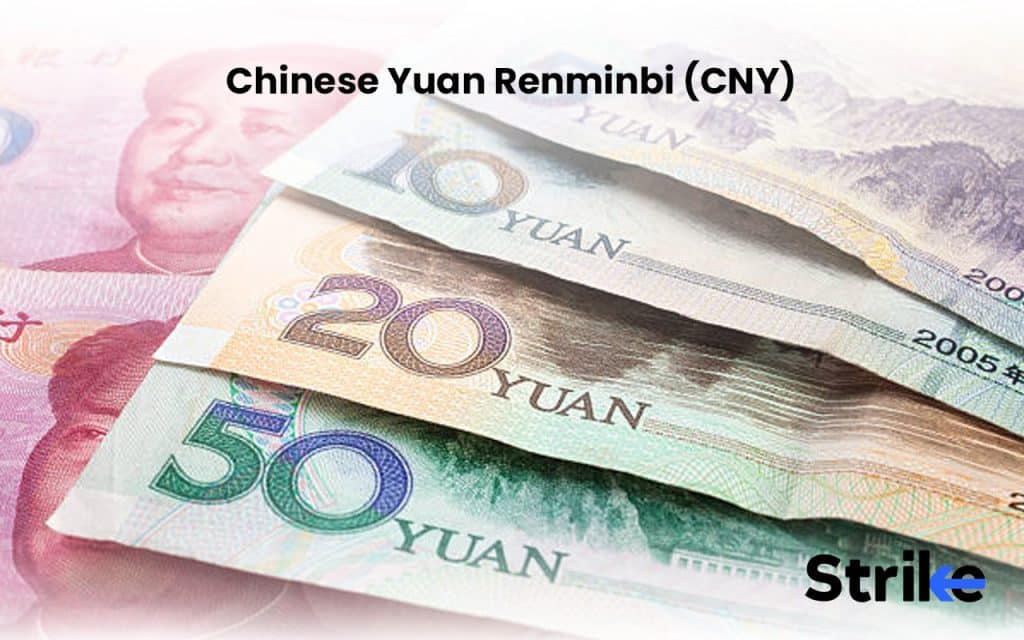
27. Chinese Yuan Renminbi (CNY)
The Chinese Yuan Renminbi (CNY) is the official currency of the People’s Republic of China and plays a growing role in the global financial system. It was introduced in 1948 by the Bank of China to bring together the monetary system of the country.
Renminbi is the currency of the people whereas yuan is the unit of account. The currency is issued and regulated by the People’s Bank of China (PBoC) and it functions under a managed exchange rate system.
| Chinese Yuan Renminbi (CNY) Summery | |
|---|---|
| Currency Name | Chinese Yuan Renminbi |
| Currency Code | CNY |
| Symbol | ¥ / 元 |
| Value Against USD (Approx) | 1 CNY ≈ 0.14 USD |
| Value Against INR (Approx) | 1 CNY ≈ 11.5 INR |
Why the Chinese Yuan Is Strong
- Backed by the world’s second-largest economy
- Dominant role in global manufacturing and trade
- Strong state control and large foreign exchange reserves
- Increasing use in international trade settlements
Weaknesses of the Chinese Yuan
- Capital controls limit free currency movement
- Managed exchange rate reduces market transparency
- Trade tensions impact investor confidence
- Limited full convertibility compared to major currencies
The Chinese Yuan got introduced in theIMF’s Special Drawing Rights (SDR) basket in 2016, gaining global recognition. China also became the first major economy for actively promoting the digital yuan (e-CNY).
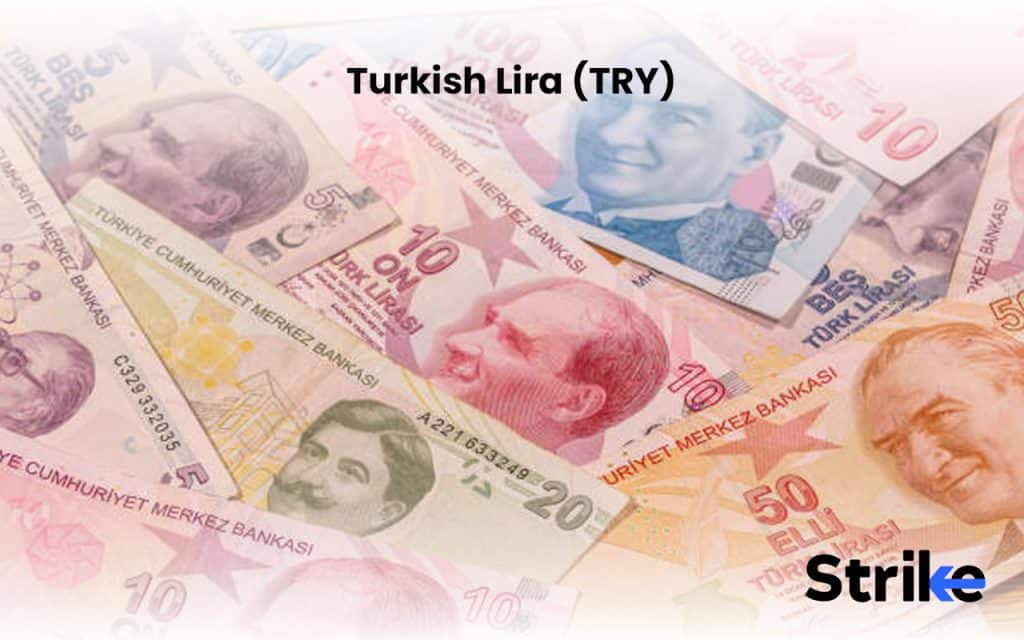
28. Turkish Lira (TRY)
The Turkish Lira (TRY) is the official currency of Turkey which indicates the active yet volatile economic background of the country. It was introduced initially in 1923, after the Republic of Turkey was formed, replacing the Ottoman lira.
As a result of high inflation over the years, Turkey also conducted a significant currency reform in 2005 which saw the introduction of the New Turkish Lira (removal of six zeros) which was renamed again as the Turkish Lira. The currency is issued and regulated by the Central Bank of the Republic of Turkey (CBRT) and has a free-floating exchange rate system.
| Turkish Lira (TRY) Summery | |
| Currency Name | Turkish Lira |
| Currency Code | TRY |
| Symbol | ₺ |
| Value Against USD (Approx) | 1 TRY ≈ 0.031 USD |
| Value Against INR (Approx) | 1 TRY ≈ 2.6 INR |
Why the Turkish Lira Has Structural Importance
- Backed by a large domestic economy with strong consumption
- Strategic geographic position connecting Europe and Asia
- Significant manufacturing and export base
- Large and active local financial markets
Weaknesses of the Turkish Lira
- High inflation and currency depreciation
- Political influence on monetary policy decisions
- Low foreign exchange reserves relative to needs
- Sensitive to external financing and capital flows
Turkey officially removed six zeros from its currency in 2005 to change the face value of currency to make accounting simpler and to gain trust. Whereas, the symbol ₺ was officially adopted in 2012
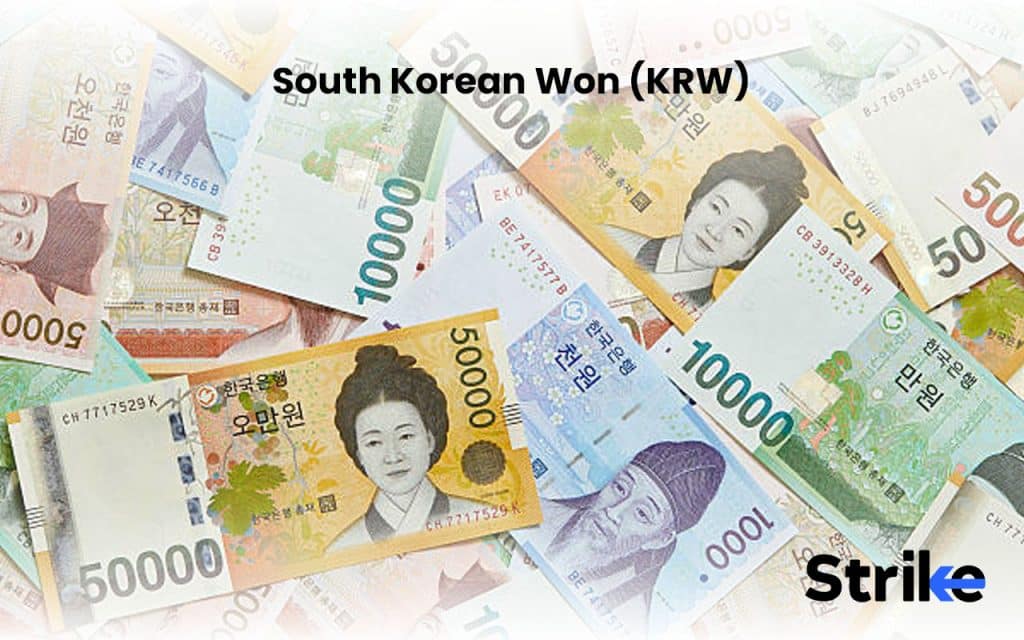
29. South Korean Won (KRW)
South Korean won (KRW) is the domestic currency used in South Korea and reflects the country’s transformation into an international manufacturing and technology giant. It was introduced in 1962 as a replacement of the hwan, as a part of the economic reforms to stabilize the monetary system during the industrialization period in South Korea. The Bank of Korea issues and regulates the currency which follows a free floating exchange rate system.
| South Korean Won (KRW) Summery | |
| Currency Name | South Korean Won |
| Currency Code | KRW |
| Symbol | ₩ |
| Value Against USD (Approx) | 1 KRW ≈ 0.00075 USD |
| Value Against INR (Approx) | 1 KRW ≈ 0.062 INR |
Why the South Korean Won Is Strong
- It is backed by a highly export-driven economy
- Global leadership in technology, automobiles, and semiconductors
- Strong foreign exchange reserves
- Deep integration with global trade networks
Weaknesses of the South Korean Won
- Highly sensitive to global economic cycles
- Dependent on semiconductor and electronics demand
- Volatile during global risk-off periods
- Geopolitical risks in the Korean peninsula
The won gets its name from the same root as yuan and yen which means “rounded coin”. The KRW movement is strongly influenced by its semiconductor trades.
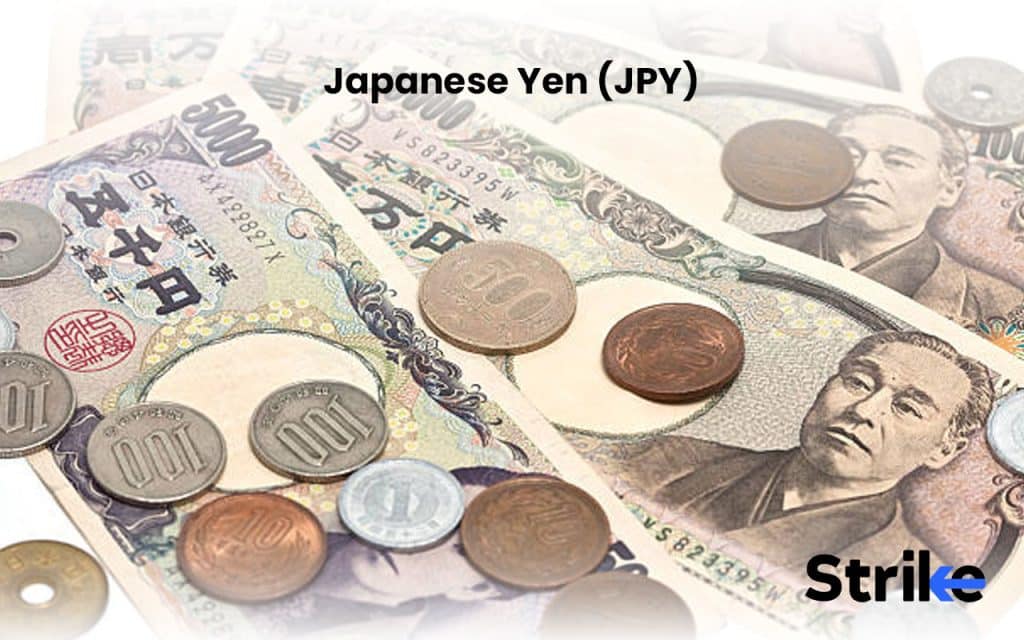
30. Japanese Yen (JPY)
The Japanese Yen (JPY) is the official currency of Japan and is one of the most important and widely traded currencies in the world. The Japanese Yen (JPY) was introduced in 1871 during the Meiji Restoration by replacing the complex feudal-era currency system and modernizing the economy.
| Japanese Yen (JPY) Summery | |
| Currency Name | Japanese Yen |
| Currency Code | JPY |
| Symbol | ¥ |
| Value Against USD (Approx) | 1 JPY ≈ 0.0068 USD |
| Value Against INR (Approx) | 1 JPY ≈ 0.56 INR |
Why the Japanese Yen Is Strong
- It is considered as global safe-haven currency
- Backed by a large and advanced developed economy
- High domestic savings and strong institutional trust
- Widely used in international finance and carry trades
Weaknesses of the Japanese Yen
- Long-term low interest rates weaken returns
- High government debt levels
- Sensitive to monetary policy shifts by the BoJ
- Currency weakness during aggressive stimulus phases
The Japanese Yen is the third most traded currency in the world after USD and EUR, where it is mainly used in carry trade strategies due its low interest rates.
Which Factors Determine Strength of a Currency?
There are many factors which determine the strength of a currency, but three major factors matter the most. The factors are economic indicators, trade & capital flows, and political & market sentiment.
- Economic Indicators: Economic indicators such as interest rates play a crucial role in determining currency strength. Higher interest rates attract foreign investment, strengthening the currency. Whereas, low interest rates erodes currency value by making export less competitive. Strong GDP growth signals economic health, drawing investors and boosting currency value.
- Trade and Capital Flows: A surplus in trade when exports are more than imports increases the demand on the currency as foreigners buy it to pay for goods. Strong balances in the current account and inflows of foreign direct investment also add strength through the buildup of capital into the country.
- Political and Market Sentiment: Political stability increases the confidence among investors, whereas, political instability weakens currencies. Speculation, trading volumes, and overall market sentiment amplify the movements, where safe-haven currency such as USD gains during uncertainty.
A currency’s strength reflects the combined impact of economic fundamentals, external capital demand, and investor confidence, making it a real-time barometer of a nation’s financial stability and global credibility.
Historical Changes in Currency Strength
Currency strength evolves and changes over time based on economic power, trade, inflation, and global market dynamics. One prime example of USD, which rose to dominance after WWII, due to America’s strong economy and the Bretton Woods system, making America the primary global reserve currency.
Whereas, the GBP was strong during the British Empire but weakened after WWII. Currencies backed by oil, such as Russian ruble and Canadian dollar fluctuate with commodity prices. In emerging markets, high inflation often erodes currency value, which means maintaining stability is important to maintain currency strength.
How to Compare Currency Strength Across Countries
There are three major methods to compare currency strength across countries. The method involves comparing real-time pairs, indices, and pair baskets.
- Real-time Pairs: This method involves direct comparison of two currencies in a forex market. When strong currency is paired with weak currency, it often gives directional moves. For instance, if a strong currency like USD is paired with weak currency LBP, the pair USD/LBP moves up, making it useful for short-term and live trading.
- Indices (Macro Trends): Indices measure the currency strength against multiple major currencies at once, giving a big picture view. When an index like DXY is above 100, it shows overall strength in the US dollar.
- Pair Basket (Custom Analysis): This method compares one currency against a group of currencies instead of just one. It helps understand relative weakness or strength. Comparing IRR with top 10 weakest currencies shows how weak the currency is structurally.
Meters show instant strength, indices show overall trends, and pair baskets help with custom comparisons.
How Strong Currencies Affect Global Economy
Strong currency impacts the global economy by lowering the cost of imports, domestic inflation and acquisition of external capital, but at the same time, it makes exports unattractive. Strong currencies influence international trade balance, capital flow and the world debt market, as many countries borrow in strong currencies, which puts more pressure when repaying the debt when the currency is highly appreciated.
Overall, good currencies are stabilizing anchors in international finance and the Stock Market, but may also lead to the introduction of imbalances in the economies of various countries.
Should You Invest in Strong Currencies?
No, investing in strong currencies is not an automatic win, it is mainly a defensive strategy with low return. Strong currencies such as the US Dollar or Swiss Franc come from stable economies, hence help protect the wealth and reduce the risk during uncertain times.
However, the profits are limited in such currencies because they are already strong. Therefore, strong currencies are best for safety and stability, not for high returns.
What is the Weakest Currency in the World?
A weakest currency in the world is a currency with the lowest exchange rate with the global benchmark currency USD. This means it requires more units to buy one USD. Such weakness in currency typically represents macroeconomic instability and inflation.
The Lebanese Pound (LBP) is the world’s weakest currency which requires 89,500 LBP per 1 USD. This extreme depreciation of the Lebanese Pound (LBP) is followed by hyperinflation, banking collapse, and prolonged economic crisis in Lebanon.
Currencies with extremely low values other than Lebanese Pound (LBP) are mentioned below in the table.
| Rank | Currency Name | Country | Code | Approx. Exchange Rate (1 USD ≈) | Primary Reasons for Weakness |
|---|---|---|---|---|---|
| 1 | Lebanese Pound | Lebanon | LBP | 89,000+ | Hyperinflation, banking collapse, loss of trust |
| 2 | Iranian Rial | Iran | IRR | 42,000–500,000 | Sanctions, high inflation, economic isolation |
| 3 | Vietnamese Dong | Vietnam | VND | ~26,000 | Managed undervaluation, export-driven policy |
| 4 | Sierra Leonean Leone | Sierra Leone | SLL | Highly depreciated | Inflation, governance issues, external debt |
| 5 | Laotian Kip | Laos | LAK | Deeply weakened | Fiscal stress, low forex reserves |
| 6 | Indonesian Rupiah | Indonesia | IDR | 16,000+ | Capital outflows, inflation pressure |
| 7 | Uzbekistan Som | Uzbekistan | UZS | ~12,500 | Currency reforms, post-control adjustment |
| 8 | Guinean Franc | Guinea | GNF | ~9,000 | Commodity dependence, inflation |
| 9 | Paraguayan Guarani | Paraguay | PYG | ~7,200 | Current account pressure, inflation |
| 10 | Malagasy Ariary | Madagascar | MGA | ~4,500 | Economic instability, weak policy framework |
A weak currency reflects deep structural and macroeconomic challenges, and its value serves as a real-time indicator of an economy’s financial stability, policy strength, and investor confidence.

 21 mins